Why Your Next Team Offsite Should Be on a Farm
The case for a corporate retreat on a farm: what teams actually do here, sample agendas, honest costs vs a hotel offsite, and who it isn't right for.
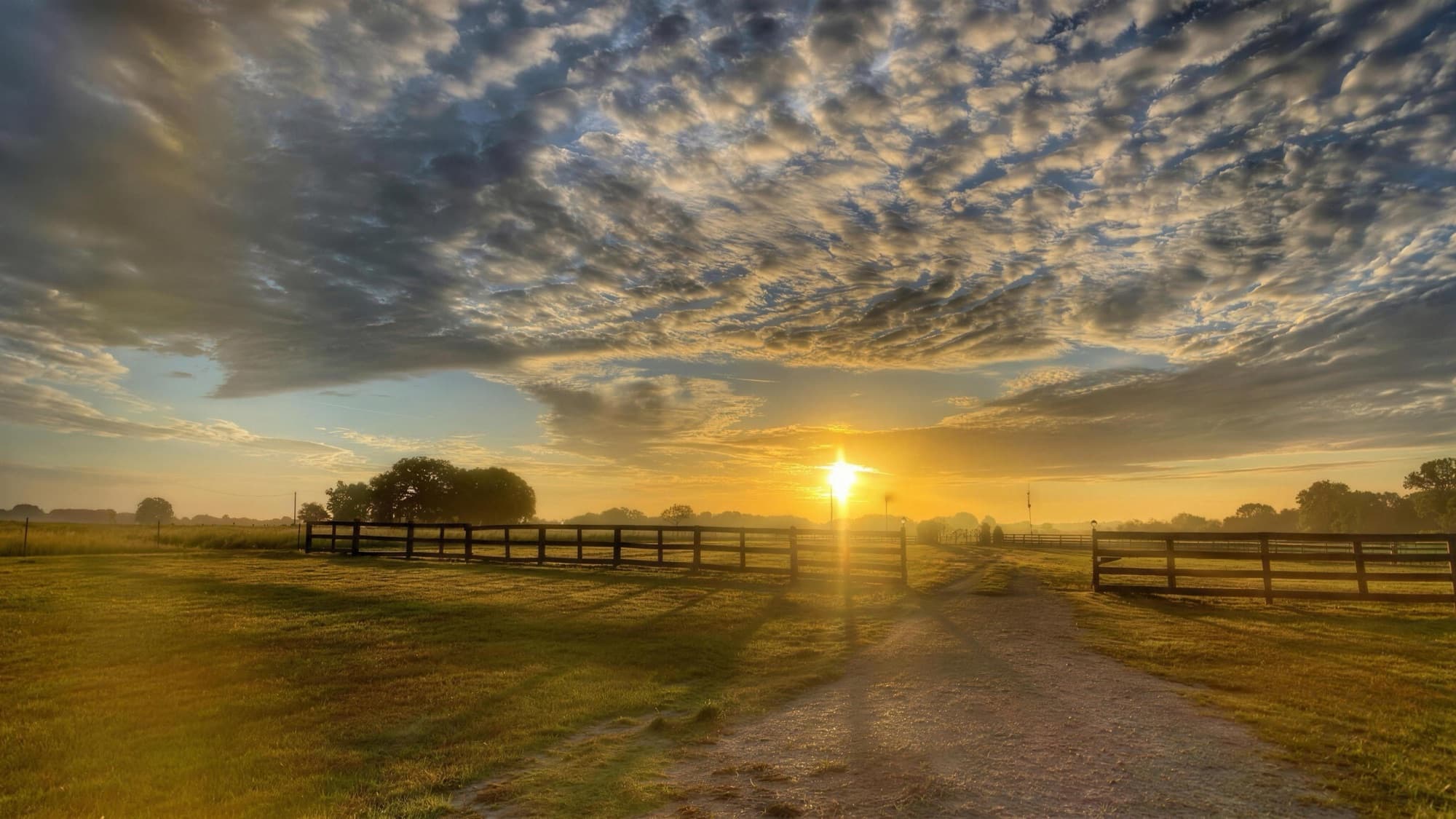
A corporate retreat on a farm trades the conference room for open pasture. Your team spends the day doing real, hands-on work together, building a garden bed, collecting eggs, cooking a shared meal, instead of sitting through another slide deck. It works because being outdoors lowers stress, softens hierarchy, and gets people talking the way a breakout room never manages. Nobody checks email in a goat pen. We've looked.
You know the offsite you're trying to avoid. The same conference room as the Tuesday status meeting, a lanyard with your own name on it, a facilitator with a beach ball and a slide about synergy. We left office life ourselves, so we say this with sympathy: there's another way, and it works better than it has any right to.
We've hosted enough of these to make the case properly. The broader playbook (weather, food, what a venue owes you) is in everything we've learned hosting events on the farm, and this post is just the offsite.

What does a day on a farm do to a team?
Phones stay pocketed, because hands are busy, and nobody has to announce a phone policy; the chickens simply outcompete the inbox. There's real science under the good mood too. Time outdoors lowers stress hormones and sharpens focus and creative thinking, which is why the ideas that wouldn't come in a meeting room tend to show up on the walk between pastures.
Is a farm good for team building? Here's what we actually see. Hierarchy flattens fast, because nobody's title helps them with a wheelbarrow, and the person who's quietly good with their hands ends up leading the job whatever their pay grade. The conversations that matter happen in the gaps, two people falling into step on the way to the far gate, and by the time they reach it they're talking about the thing they've been emailing around for a month. Give a mixed group a real task and titles quietly stop mattering.
Team building that isn't trust falls
The format is real work, done together. Teams here build garden beds, collect eggs, feed the goats, and cook a farm-to-table meal from what they harvest. Those are jobs with a visible result by lunch, which is more than most Tuesday meetings can claim. For teams that want a skill to take home, our hands-on workshops cover sourdough, soap making, and farm-to-table cooking, and you can book a private or custom workshop built around what your team wants to learn. Sourdough is the sleeper hit: it travels home as a live starter, and people keep baking long after the retreat.

So what do teams do at a farm retreat? Work, eat, and talk, roughly in that order. The work starts the talking; the food keeps it going. Nobody has to be coaxed into a chicken coop the way they do into an icebreaker, because there's no performance to it. The eggs need collecting whether or not anyone is watching, and a team can feel that difference.
What does a sample retreat day look like?
Most first-time teams pick a half day; groups that have done it before tend to book the full day. If your retreat has a working half (strategy, planning, goal-setting), keep it in the morning, when people think most clearly, and let the farm have the afternoon.
A half day, the shape most first-time teams pick:
- Arrive, coffee, and a farm tour to get everyone's shoulders down
- One hands-on work block: garden-bed building or egg collection
- A farm lunch in the barn, long and unhurried on purpose
The full day adds:
- A second hands-on block in the afternoon, with farm-to-table cooking the usual favorite
- An unhurried ending as the light goes gold: a sunset hayride or a slow garden harvest walk
Whatever the shape, build slack into the schedule, because the conversations you came for happen in the gaps, not in the agenda. Front-load the focused work, leave the back half loose, and let people wander. For matching blocks to a mixed group, see activities that hold a mixed group.
The questions your office manager will ask
What should everyone wear? Clothes that can meet a fence, and closed-toe shoes. Say it twice in the calendar invite; someone will still arrive in suede, and we'll keep a respectful silence and point them to the driest path.
What if it rains? The barn is the rain plan. The day changes shape, not substance: the work blocks move under cover, lunch was always in the barn, and a team that has worked through a drizzle together tends to come back closer for it.
Restrooms and parking? We're a real working farm with real restrooms and on-site parking, no porta-potty trailer, no line snaking past the CFO. We'll walk you through the specifics when you inquire.
Wifi, projectors, breakout rooms? Honestly, we're a farm, not a conference center. Bring the offsite that doesn't need slides; that's rather the point. If the agenda depends on a screen all day, this is the wrong venue, and we'd rather say so here than have you find out mid-quarterly-review.
Dietary needs? Handled in the catering conversation, like everywhere else. Bring the list when you inquire.
What does it cost?
We quote events by package, and the current pricing plus what each tier includes live on the events page. The shape of it: The Gathering is the intimate option for a smaller team, The Celebration is the popular pick for a full-day program, and The Estate Day is the full-farm option for a bigger company day. If your team is small and you'd rather keep it light, a private group farm visit is the gentler alternative, with no packages at all.
Stack any of these against a hotel meeting room plus catering plus a hired facilitator, and the farm stops looking like the indulgent option. The line items you're replacing are the ones nobody enjoyed paying for anyway. If the budget meeting needs a one-liner: it costs less than the offsite nobody remembers.
Who it's right for, and who it isn't
Right for: teams that need to talk to each other again, after a hard quarter, a reorganization, or a long stretch of seeing each other only as rectangles on a screen. It's also a good way to celebrate a quarter that went well. Wrong for: a working session that needs screens, decks, and breakout rooms all day. We'd rather lose that booking than host a bad day. If you're not sure which camp you're in, describe the agenda and we'll tell you straight.

How do you set one up?
Tell us three things: your headcount, the season, and what the team needs more of (talk, air, or something to make with their hands). We'll suggest a shape for the day from there. Most teams start with a half day and book the full day the second time. When you're ready, send us an event inquiry and leave the beach ball at the office.
Frequently asked questions
A farm gets your team outdoors doing real, hands-on work together, which lowers stress, softens workplace hierarchy, and sparks the kind of honest conversation a conference room rarely does. Shared tasks and a long, unhurried meal build connection that is hard to create over video calls or in a Tuesday meeting.
Teams build garden beds, collect eggs, feed the animals, and cook a farm-to-table meal from what they harvest, with optional hands-on workshops like sourdough or soap making for groups that want a skill to take home. The point is real work with a visible result, not staged icebreakers or trust falls.
It depends on your goals, but many teams choose a half day for a first visit and a full day once they know they like it. If your retreat includes focused work like planning or goal-setting, hold it in the morning when people think most clearly, and leave the afternoon looser for connection.
Yes. Time outdoors reduces stress and improves focus and creative thinking, and shared physical tasks flatten hierarchy because a title does not help anyone with a wheelbarrow. Those conditions tend to produce better communication and stronger relationships that carry back to the office.
The barn is the rain plan. Hands-on work blocks move under cover and the meal is served in the barn either way, and a team that has worked through a bit of weather together often comes back closer for it.
Comfortable clothes that can handle a little dirt and closed-toe shoes are all anyone needs. Dressing for the weather and the season matters more than dressing up, since most of the day is spent outdoors and on your feet.