Farm Party Activities Guests Actually Remember
Farm party activities that hold a real crowd: chores as games, ideas by age from toddlers to grandparents, what flops, and how to pace it start to finish.
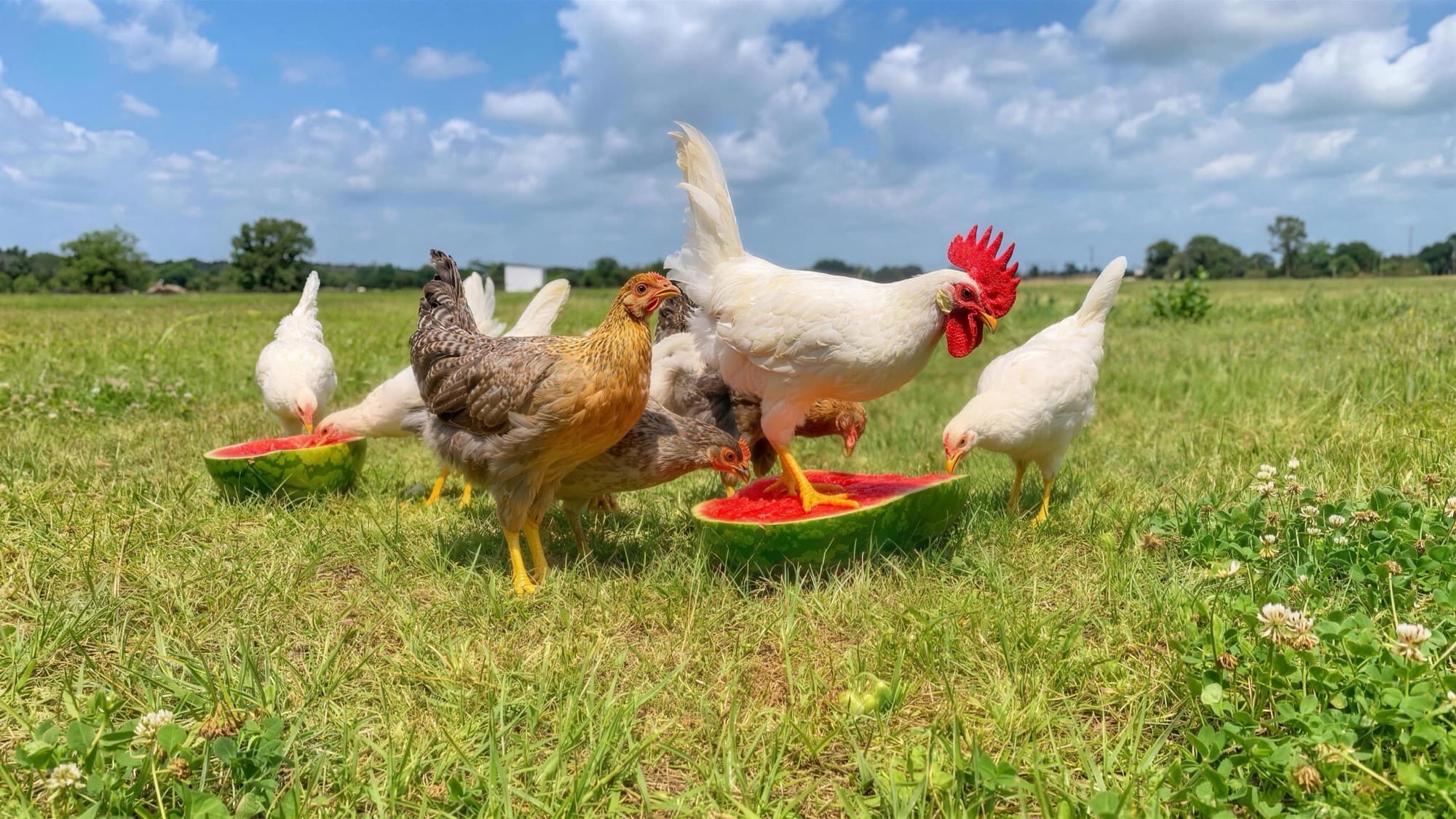
The best farm party activities are the ones the farm already hands you: meeting and feeding the animals, an egg hunt in the nesting boxes, a sunset hayride, a few lawn games, and a fire pit to close the night. A working farm is entertainment that runs itself, so the real job isn't stacking up activities. It's pacing the handful the place gives you for free and resisting the urge to over-plan. Think of this as the activity half of our full guide to farm events.
After years of hosting parties here, we can report a pattern: the activities people planned hardest were rarely the ones that landed. The craft station gets abandoned. The scheduled game runs short. Meanwhile a goat, a hay wagon, and a fire pit hold a crowd of every age without trying. We've stopped being surprised by it, so the planning effort goes into pacing now instead of piling on. Here's what works, what flops, and how to run it.
What's the one activity you never have to plan?
The animals. Feeding time is the spine of nearly every party here, and the smartest planning move available is also the laziest: time the party so it overlaps feeding, and half the entertainment schedules itself. Guests drift to the fence on their own. Nobody has to announce anything. The goats have run this show for years and have never once missed a cue. If you take one suggestion from this post, take that one.

Why do real farm jobs beat party games?
Because guests take a real job seriously in a way no scavenger-hunt printable ever earns. The games kids play at a farm party mostly come down to one game, farmer, played with a focus other games never get. The trick at a mixed-age party is jobs that scale: a feeding line needs runners, pourers, and supervisors, and suddenly three generations are working the same shift. Hay needs arranging before the wagon ride. Eggs need collecting from the nesting boxes, and the kid with the basket carries it like a trophy. Somebody has to count the hens at dusk, and somebody always volunteers. The job is the game.
What activities work for every age, toddlers to grandparents?
The kid playbook is short: one real job per age, and the younger the kid, the more adults per kid. By the teen years, running an activity beats joining one. The full age-by-age version, cake logistics included, lives with the birthday ideas linked at the end of this post.
Adults do more at a farm party than they expect to, and this is the short list that tends to hold them:
- A honey and cheese tasting, which keeps the food-curious parked happily
- A flower-crown workshop, which holds nearly everyone else (fair warning: adults refuse to take the crowns off)
- Simple lawn games like cornhole and giant yard Jenga, no instructions required
- The fire pit, which holds whoever's left once the sun drops
Grandparents, for the record, want a chair near the animals and a grandchild to narrate; both are in steady supply. Work groups behave differently from families, which we cover in team offsites on the farm.
Which classic party activities still earn their keep?
Lawn games and the sunset hayride. Old formats survive because they work: a wagon at golden hour needs no improvement, asks nothing of anyone, and takes every age at once. It's the only activity we know of where a toddler, a teenager, and a great-grandmother all want the same seat. Lawn games earn their place the same way, with no instructions, no winners anyone remembers, and a knack for filling the gaps between the planned things.
Where does the overwhelmed kid go?
Every party has one kid who hits their limit. Plan for that kid: a bench away from the noise and something slow to watch, because chickens are excellent television. It costs nothing, and it's the difference between a party that ends well and one that ends in tears at pickup. Tell whoever's hosting alongside you where the bench is. The kid who needs it won't ask.

What do you do at a farm party if it rains?
When the weather turns, the barn is the plan, and more carries over than people fear: the tastings move indoors, the crafts move indoors, and the animals don't cancel, because they live here. Rain on the barn roof is, if anything, an upgrade to the acoustics. Seasons add their own twists without any extra planning: baby animals in spring, long evenings in summer, the garden harvest walk at its best in fall. None of it needs managing. The season does the theming, free of charge.
What flops (we've watched it happen)
The honest list no party blog writes:
- Over-planned craft stations, abandoned the moment a goat appears
- Elaborate favors that get left on the picnic tables
- Anything scheduled head-to-head against feeding time, which loses to the goats every single time
- Long speeches outdoors, where the wind and the chickens are also on the program
None of these ruin a party. They just cost effort the goats would have covered for free. When a host shows us a long activity list, our advice is the same every time: cut it in half, then watch the half you cut go unmissed. Farm venues everywhere say the same thing, because the animals already do the entertaining.
How do you pace a farm party?
How long a farm party runs depends on your group and what you have planned, and it fills up faster than you would think. The arc that works, in order:
- Arrive and wander, so people find the fence on their own
- Animals, with feeding as the centerpiece
- Food, a farm-to-table dinner if you've planned one
- One game, at most
- The fire pit and s'mores, to land the plane
Each piece should run shorter than you think. The whole thing fills faster than it sounds: by the time everyone has met a goat and eaten, most of it is spent. The one pacing rule we'd carve over the barn door is to stop an activity one beat early rather than stretch it one beat late. A party that ends wanting more ends happy.

For the kid-birthday version of this plan, invitations and cake included, see planning a farm birthday party. And when you've got a date in mind, plan an event with us, and we'll have the goats ready.
Frequently asked questions
The farm itself does most of the work. Feeding the animals, collecting eggs from the nesting boxes, a sunset hayride, and simple lawn games hold everyone from toddlers to grandparents without much planning. The hayride in particular takes every age at once.
It depends on your group and what you have planned, so it is worth sorting the timing when you plan with us on the events page. Between meeting the animals, eating, and one game, the time fills faster than people expect, and a party that ends while guests still want more tends to end happy.
Adults usually gravitate to a honey and cheese tasting, a flower-crown workshop, easy lawn games like cornhole, and the fire pit once the sun drops. A sunset hayride is a favorite across ages, adults included.
The barn becomes the plan. Tastings and crafts move indoors, and the animals do not cancel because they live here, so most of the party carries over with little fuss.
Fewer than you think. The animals, a hayride, and a fire pit already carry a crowd, so a good rule is to cut your activity list in half and let the farm do the rest.