What a Chicken Processing Class Is Like, Start to Finish
An honest, start-to-finish look at what a hands-on chicken processing class feels like, from pulling in the gate to driving home with your own bird.
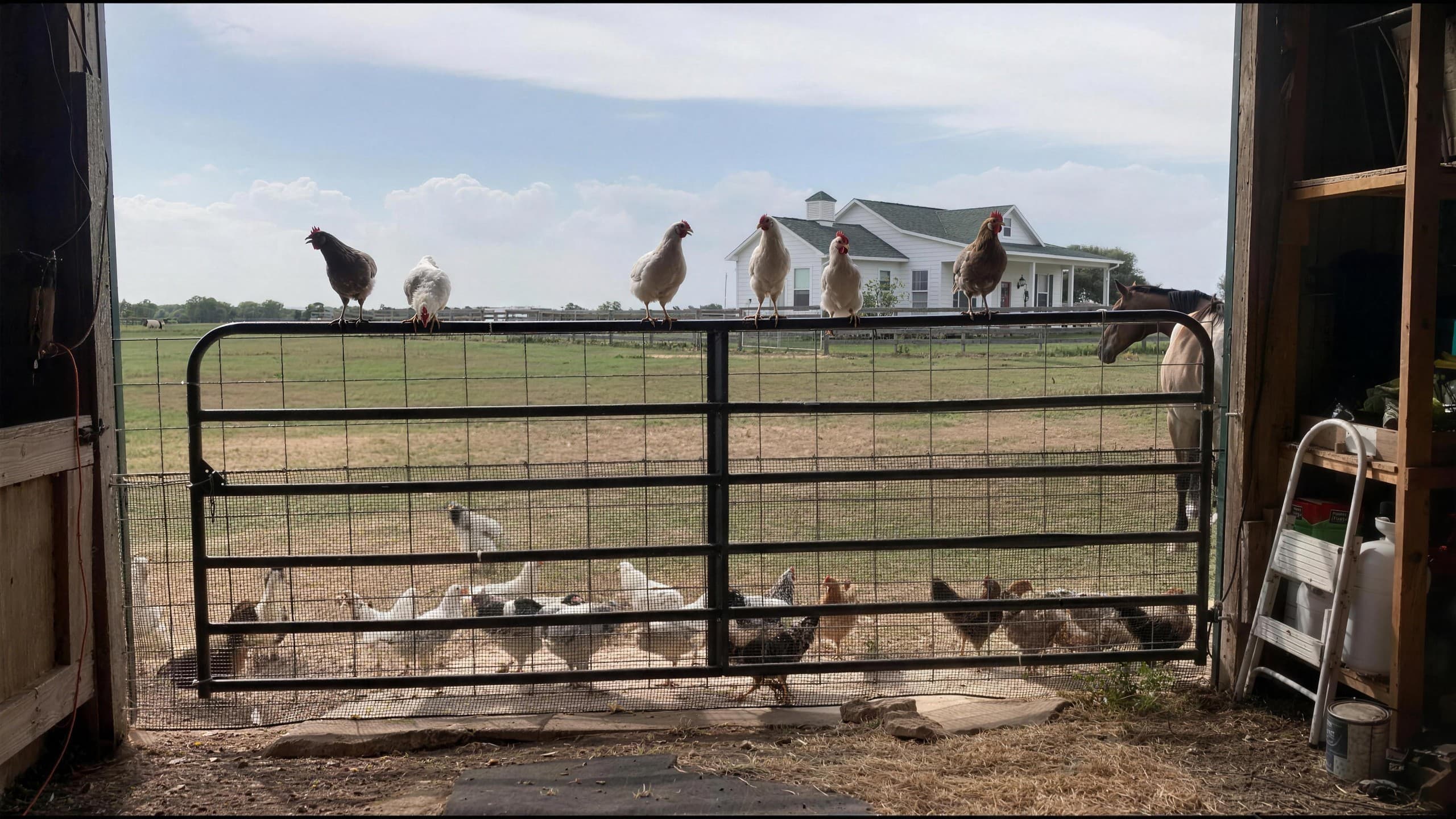
A chicken processing class is a hands-on morning where you take a meat bird from live animal to clean, packaged chicken you carry home, and honestly, it tends to feel calmer and more matter-of-fact than most people picture on the drive in. You arrive, you meet the birds, and we walk you through humane handling and dispatch, then a quick scald, the plucking, cleaning the bird, and breaking it down into cuts. It all happens in a small group with a farmer right at your elbow, and by late morning you are wrapping a bird you processed with your own hands.
It is also a real morning, and we would rather be plain about that than have you find out at the table. You will help end a bird's life, gently, and there is a quiet moment in the middle of the day that lands a little differently for everyone. This is a start-to-finish account of what that morning actually feels like, so you can decide whether it is the day for you before you ever book. If you are looking for the date, the directions, and the logistics instead, those live on our class page for folks near Houston.
What does the morning feel like when you pull in?
You pull off a quiet country road and through the gate, and the first thing you usually notice is how ordinary and unhurried it all looks. Hens are picking through the grass, a few of them perched up on the fence rail like they own the place, and one of the farm dogs comes out to see who you are. We are about an hour northwest of Houston, so most people arrive with a little travel-morning tension, and it tends to melt off in the first few minutes. There is coffee, there is small talk, and there is no rush to get started.
We keep the group small on purpose, so the morning opens with real introductions rather than a roll call. You will hear why we do this, how the day is going to flow, and where you can step back if you need to. Nobody is quizzed, and nobody is expected to arrive knowing anything. If you want the wider picture of arriving at a farm workshop in general, the parking, the mud, the animals underfoot, here is what to expect on a workshop day.
What is it like to meet the birds?
Before anything else, you meet the birds on their own ground. They are pastured here, raised without hormones or antibiotics on non-GMO, soy-free feed, and you get to see them out on grass rather than as something shrink-wrapped and abstract. It grounds the whole day. When you handle a calm, well-kept bird, the work ahead stops feeling like a stunt and starts feeling like the honest last step of raising your own food.

We show you low-stress handling, how to hold a bird so it stays settled, and why a calm bird matters for both the animal and the meat. This is the part that surprises people most: it is gentle. There is no chasing, no flapping panic, just quiet, careful hands. That calm carries into everything that comes next.
How does the moment of dispatch actually feel?
This is the part everyone drives in wondering about, so we will meet it head on. The honest answer is that the anticipation is almost always harder than the moment itself. We talk it through first, together, before anything happens. We show the dispatch on one bird, calmly and quickly, and we explain exactly what makes it humane: keeping the bird unstressed right up to a fast, skilled cut that minimizes pain and fear.
Some people find that moment heavier than they expected, and some find it steadier than they feared. Both are completely normal, and we leave real room for either. You can step back at any point, no explanation needed, and no one is ever made to do a single part of it. What people tell us afterward, again and again, is that doing it carefully, alongside others who take it seriously, changes how they think about the meat on their plate. It is quiet and serious, not gruesome, and we do not dramatize it or hide it.
What is the hands-on work like?
Once you are past that first moment, the day picks up a working rhythm and the nerves settle fast. The bird goes into a quick scald, hot water in the 140 to 150 degree range for about half a minute, which loosens the feathers, and then it gets plucked. There is a small, satisfying jolt the first time you see a bird come out clean, because suddenly it looks like the chicken you know from the grocery store, and the rest of the work stops feeling foreign.

From there you clean the bird and get a hands-on look at how it is actually put together, then you break it down into cuts. We show every step on one bird before you try it, and one of us stays right at your side for the parts that are new to your hands, so you are never left guessing with a knife. It is slower and more forgiving than you would think, and by the second bird your hands already know a little of what they are doing. For the full step-by-step of the whole field-to-freezer sequence, our complete guide to the class lays it all out. If you are timing a flock of your own, it also helps to know when meat chickens are ready to process.
Is it strange doing this with a group of strangers?
You might expect it to feel awkward, sharing something this hands-on with people you just met, but it goes the other way. A small group working through the same honest task together tends to knit up quickly. The morning usually starts quiet and focused, and somewhere around the first plucked bird it loosens into easy conversation, questions, and the kind of laughter that comes from doing real work side by side. Everyone is new to it in some way, which levels the room.
Families come too, and this kind of honest, hands-on morning suits youth groups just as well. Kids are welcome from age eight, as long as a parent or guardian stays present and supervises the whole time, and they often turn out to be the most matter-of-fact people at the table. A scout troop, a 4-H club, or a homeschool group is a natural fit here, so if you want to bring a group, you can check the next date and book your spots together. And if you would rather start by raising the birds before you ever process one, you can come learn to keep a backyard flock first and circle back to this class whenever you feel ready.
What is it like to drive home with your own bird?
At the end of the morning you pack your bird into the cooler of ice you brought, and you drive home with something you did not have when you woke up: a chicken you raised through its last day yourself, and a skill you get to keep for good. It is a quiet, settled kind of pride, not a victory lap. The usual practice is to let a freshly processed bird rest, chilled in the fridge, for a day or two before you freeze or cook it, so it moves through the stiff window and cooks up tender instead of tough. We walk you through the storage and timing before you leave, so none of it rides on memory.

Is a class like this worth it? For nearly everyone who comes, yes, whichever way they land on doing it again. Plenty of people finish the day sure they will process their own flock every fall. Others finish just as certain that they would rather buy from a farm that does this carefully, and that is a perfectly good answer too. Either way you will have done the thing yourself instead of looking away from it, and you will understand your food in a way you cannot get from reading about it. If you are weighing whether raising and processing your own is worth it over the long run, we ran the honest numbers on what it costs to process your own chickens.
Come see what the morning is like for yourself
Reading about it only gets you so far. The morning is calmer, warmer, and more honest than it sounds on paper, and the best way to know whether it is for you is to stand at the table and find out. When you are ready, you can see the next date and all the details on our class page near Houston, or go straight to the calendar and book the field-to-freezer class. We would love to have you.
Frequently asked questions
It is a calm, hands-on morning in a small group. You arrive and meet the birds, learn humane handling and dispatch, then work through a quick scald, plucking, cleaning, and breaking the bird down into cuts, with a farmer guiding you at every step. Most people find it steadier and more matter-of-fact than they expected.
For most people who come, yes. You leave with a real skill you keep for good, a clear sense of where your food actually comes from, and a whole bird you processed yourself. Some go on to raise and process their own flock every year and some decide once was enough, but almost no one regrets having done it firsthand instead of looking away from it.
Kids are welcome from age eight, as long as a parent or guardian stays with them and supervises the whole time, and they often handle the day matter-of-factly. Scout troops, 4-H clubs, and homeschool groups are a good fit too. If you want to bring a group, check the next date and book your spots together on the class page.
The anticipation is usually harder than the moment itself. It is done quickly and humanely, kept quiet and unhurried, and we talk it through together first. Some people find it heavier than they expected and some find it easier, and both are completely normal.
No. You can take part in as much or as little as you are comfortable with, and you can step back from any part of the day with no explanation needed. Nobody is ever made to do something that feels like too much.
Yes. Everyone leaves with a whole bird they processed and packaged themselves. Bring a cooler with ice to carry it home, and plan to rest the bird chilled in the fridge for a day or two before you freeze or cook it so it comes out tender.
Plan on a full morning, with nothing rushed. The day moves in order, one step at a time, so you have room to learn each part before moving on. You can see the exact timing and the next date on the class page.
Wear clothes and closed shoes you do not mind getting wet and messy, ideally rubber boots. Tie back long hair, eat a good breakfast, and bring a cooler with ice for your bird. Tools, aprons, and safety gear are provided, so you do not need any equipment or prior experience.