Seed to Harvest: A Hands-On Vegetable Gardening Class
Our seed-to-harvest gardening workshop is hands-on in real beds: soil health, seed starting, succession planting, and natural pest control. Leave with starts and a plan.
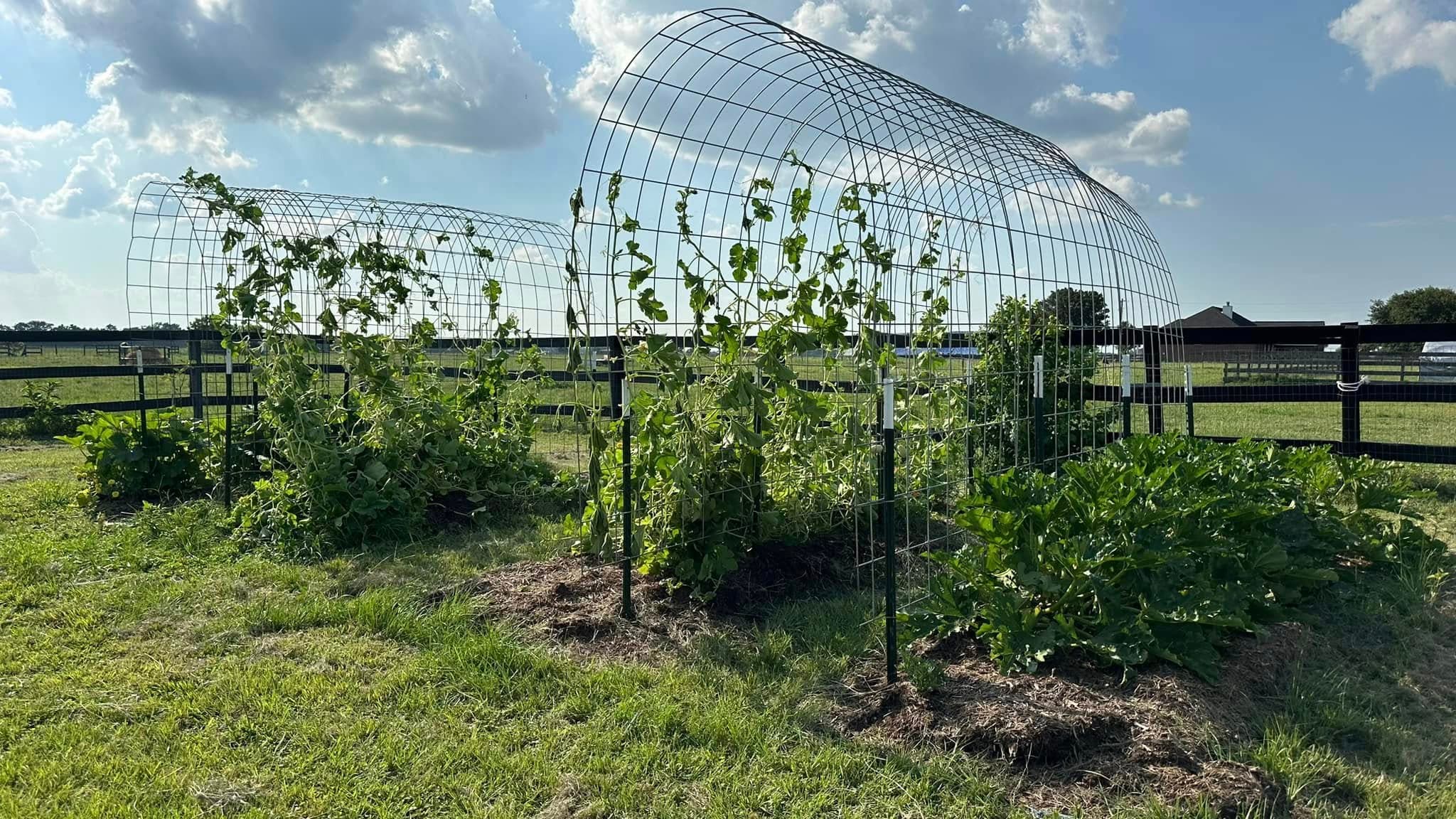
Our Seed to Harvest workshop is a hands-on vegetable gardening class that walks you through the whole growing cycle: planning a garden, building healthy soil, starting seeds, transplanting, watering, keeping pests down the natural way, and picking that first harvest. It runs in two parts, a classroom session on planning and soil, then real work out in our demonstration beds, and you head home with vegetable starts and a planting plan built for the space you actually have. It's one of our hands-on farm workshops, and it fits any garden, from a balcony rail to a back acre.
Most people start a vegetable garden the same way: a flat of tomato starts from the hardware store, one sunny weekend, and a whole lot of hope. Then July shows up, half of it has bolted, the squash has mildew, and the basil never came up at all. If that sounds familiar, you're in good company. We've made every one of those mistakes on our own beds. This workshop is that slow lesson, compressed, so the missteps happen here with one of us beside you instead of alone in August.
What is the seed-to-harvest gardening workshop?
Seed to Harvest is a vegetable-gardening class for every level, and we mean that. It runs in two parts. First, a classroom session on planning, soil, and timing. Then a hands-on session out in our demonstration beds, where you transplant, direct-sow, and learn to read what the plants are telling you. You head home with starts and a plan mapped to your own garden.
This whole farm grew out of a backyard garden, and the beds you'll work in are the same ones that feed us. That's the difference between this and a how-to article you read at the kitchen table. You can watch a hundred videos on transplanting a seedling and still crush the stem the first time you try it for real. Here you do it for real, with one of us right beside you to catch the wobble while it's still an easy fix.

What will you learn, from a garden plan to your first harvest?
You learn to plan a garden from scratch (what to grow, where to put it, and when each thing goes in), then carry that plan through soil prep, sowing, transplanting, pest control, and watering, all the way to the first pick. We walk the whole thing with you, start to finish, so you're never left guessing at a single stage.
How long does it take to get to harvest? Honestly, it depends on the crop. Radishes and salad greens can be on your plate in a month. Bush beans run closer to two. Tomatoes and peppers, the ones most folks are really after, take two to three months from the day the transplant goes out, which is why they get a head start indoors. A lot of planning is just lining those timelines up so your beds aren't sitting empty in June and slammed in September.
How do you build healthy soil: testing, amending, and composting?
Soil is the whole game, so that's where we start. You learn to read your soil by its texture and a simple test, amend it with compost and organic matter instead of guessing at a bag of fertilizer, and keep a compost pile that actually breaks down. Healthy soil grows sturdy plants that shrug off most of what comes their way, and that makes everything after it easier.

A cheap soil test tells you your pH and what the ground is short on, and that one little piece of paper saves you a whole season of throwing money at the wrong problem. Most tired garden soil wants the same thing: more organic matter. We'll show you how to build a compost pile out of kitchen scraps and yard waste, how to tell when it's ready to dig in, and why a couple of inches of it a year does more than any synthetic feed. And no, you don't need a chemistry degree to grow a tomato.
Direct sowing vs. transplanting: when should you start seeds?
Some seeds go straight into the ground; others want a head start indoors and a move outside later. Together we'll sort out which is which and how to time both around your last spring frost and your first fall one. Out in the beds, you do each method with your own hands. The rule of thumb comes down to two things, roots and cold:
- Direct-sowthe crops that hate being moved or grow fast enough that it's not worth the risk: carrots, beets, radishes, peas, beans, and most squash and cucumbers.
- Start indoors and transplant the slow, frost-shy warm-season crops: tomatoes, peppers, and eggplant get several weeks inside before the nights warm up enough to set them out.
Get the timing wrong in either direction and you either lose seedlings to a late cold snap or run out of summer before the fruit sets. Don't worry about memorizing it, though: the planting plan you map out here does that math for you.
What is a succession-planting calendar for spring through fall?
Succession planting just means sowing in waves instead of all at once, so a bed keeps producing rather than dumping its whole crop in a single week. The planting plan you build in the workshop maps it out for you: cool-weather crops in spring and fall, heat lovers through summer, and a fresh sowing every couple of weeks for the things you eat steadily.
It's the difference between forty heads of lettuce all at once and a steady salad all season long. For the fast, eat-them-often crops (lettuce, radishes, beans, spinach), a new short row every one to two weeks keeps the harvest coming without burying you. We won't print the whole year out here, but the workshop maps out what comes ripe and when, and turns that into a sowing schedule for your own beds.

Can you grow vegetables in pots, or do you need a full acre?
Yes, you can absolutely grow real food in containers. Most vegetables do just fine in a pot that holds enough soil and drains well. The workshop scales to whatever you've got, a few buckets on a balcony or a back-forty plot, and we'll help you right-size the plan so you're not planting more than you can comfortably tend or water.

Containers dry out faster than ground beds, so we spend some time on watering: deep and less often beats a daily splash, a layer of mulch holds the moisture in, and a simple drip line saves you both water and the dead-tomato heartbreak of a missed August weekend. Small space or large, the planning comes down to the same three honest questions: how much sun, how much water, and how much time can you really give it.
How do you keep pests out the natural way (integrated pest management)?
Integrated pest management is really just a plain-language order of operations: prevent first, watch closely, reach for a spray last. We'll walk you through the same steps we use in our own beds:
- Prevent. Grow plants healthy enough to resist trouble, choose pest-resistant varieties, rotate where things go, and keep the garden weeded and tidy so pests have nowhere to settle.
- Watch.Walk the beds once a week and actually look, so you catch a problem while it's ten hornworms and not a hundred.
- Invite help. A few flowers bring in ladybugs and the wasps that handle aphids for free, and a row cover keeps moths off your brassicas.
- Treat last, and gently. When you do have to step in, you start mild and targeted rather than reaching for the strongest thing on the shelf.
Most pest problems are really plant-stress problems in disguise. A tomato with the right soil, water, and spacing fends off far more than a stressed one ever will, and ten minutes of picking bugs by hand beats anything in a bottle. A garden you're nervous to eat from was never the goal.
What do you take home, and how do you book?
Everyone leaves with seasonal vegetable starts ready for the ground and a planting plan mapped to your own space and season. A garden in a tote bag, more or less. All ages and every skill level are welcome here, and whether your past gardens thrived or quietly gave up by July, we'll meet you right where you are. You don't need to bring a thing but clothes you can kneel in and a willingness to get a little dirt under your nails.
The whole point is that you walk out with a plan and the means to start it that very weekend, not a folder of notes you'll mean to act on someday. And once your beds are producing, the natural next step is to cook what you grow, which happens to be a workshop of its own and a fine excuse to grow more basil than any one household reasonably needs.
Is a hands-on class really worth it when the internet is free? If you learn best by reading, maybe not, and that's okay. But the gap between knowing how to transplant a seedling and having actually done it, in real soil, with a plan built for your space, is most of gardening right there. If you want to see what else we teach out here, our full workshop lineuphas plenty more. Whenever you're ready to dig in, book the seed-to-harvest workshopand we'll see you out in the beds.
Frequently asked questions
No. The class is built for every level, from complete first-timers to folks who have gardened for years and want more reliable results. All ages and skill levels are welcome, and we meet you wherever you are.
Root crops like carrots, beets, and radishes, along with peas and beans, resent being moved, so they go straight into the soil. Slow, frost-shy warm-season crops like tomatoes, peppers, and eggplant do better started indoors a few weeks ahead and transplanted once the nights warm up.
Succession planting means sowing in small waves instead of all at once, so a bed keeps producing over several weeks rather than ripening its whole crop in a single week. For things you eat steadily, like lettuce and beans, a fresh short row every one to two weeks keeps a manageable harvest coming.
Yes. Most vegetables grow well in a pot that holds enough soil and drains freely. Containers dry out faster than ground beds, so deep and less frequent watering plus a layer of mulch make a real difference.
Start with healthy, well-spaced plants, since strong plants shrug off far more trouble than stressed ones. Then add barriers like row covers, invite in beneficial insects with a few flowers, hand-pick the larger pests, and reach for the gentlest treatment only when you truly need it.
You leave with seasonal vegetable starts ready to go in the ground and a planting plan mapped to your own space and season. The idea is that you walk out able to start your garden that same weekend.