The Best Time of Year to Visit a Farm, Season by Season
The best time of year to visit a farm depends on what you came for: baby goats in spring, harvest in fall, quiet winters. Our farm year, season by season.
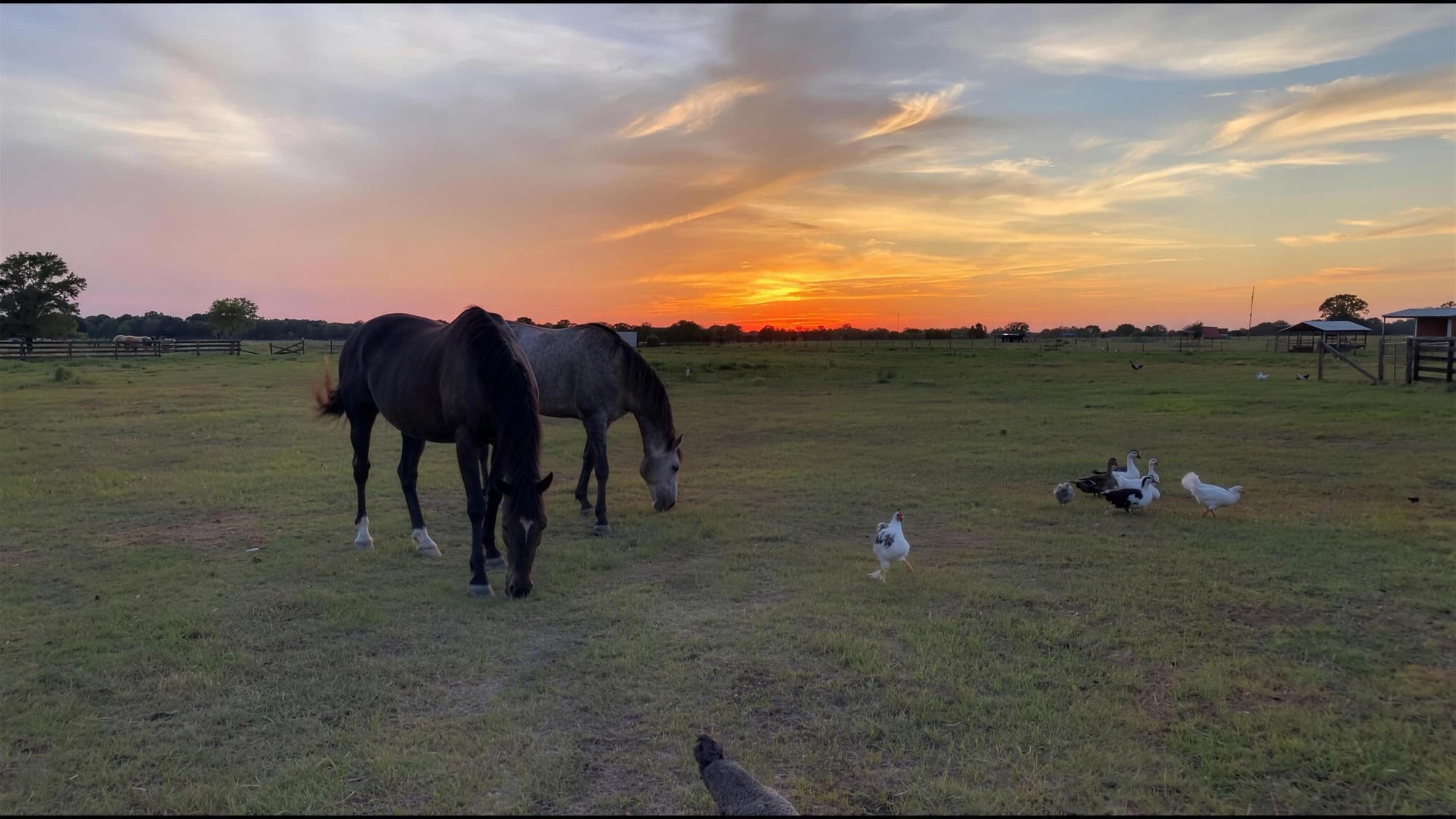
When is the best time of year to visit a farm?
The best time of year to visit a farm depends on what you came for. Come in spring for baby animals, summer for the full classic farm day, fall for harvest and abundance, and winter for the quiet, with the farm more or less to yourself. There isn't a wrong season, only different ones.
We mean that literally. The farm doesn't have an off-season; it has four different farms that happen to share an address, and we live every lap of this calendar ourselves. What follows walks the year so you can pick yours. Everything else about visiting a working farm, from formats to what to bring to etiquette, lives in the complete guide.

Spring: baby animals, green pastures, honest mud
If you've come for baby animals, spring is the season, most years anyway, give or take a few weeks. Births don't consult the calendar; the goats and the rest of the herd have their own ideas about timing. But as the days warm and the new grass comes in, the odds of catching the little ones are at their best, and a pasture with goat kids in it (with chicks and ducklings coming along behind them) needs no further programming.
The rest of the season is pastures greening and the garden going in, row by row. The babies are the headline, but late spring's quiet green weeks might be the most underrated stretch outside winter. The tax on all of it is mud, which spring produces in quantities we can only call generous. Waterproof footwear is the difference between a great day and a long one; here's what to wear when the farm is at peak mud.

Summer: long days and full barnyards
Summer is the postcard. Everything is awake. The garden is loud with heirloom varieties heading toward harvest, the bees treat the pollinator beds like a paid shift, and the barnyard is at full strength.
The honest downside is heat. By afternoon the open pasture is the warmest place on the farm, and there's no pretending otherwise. Mornings are the move, when the animals are liveliest and the ground hasn't heated up yet. Bring a hat and water, and the season treats you generously. Kids hold up fine in summer as long as the water bottle does; it's the adults who wilt first, usually the ones who skipped the hat.

Fall: harvest season (and our busiest weekends)
Harvest runs from late summer into fall for most of what we grow, most years, with the gardens leading the way. This is the farm at its most abundant: the shop at its fullest, the gardens in their final act, and the kind of light photographers plan whole trips around.
The crowds know it. Fall weekends fill first, and this is the one season where walking in without a booking is most likely to end in disappointment. Book ahead and fall is the easiest recommendation we make. If fall is the only season your calendar allows, that's no hardship; just book the date the same week you pick it.

Winter: the quiet season nobody books (and should)
Here's the part we'd whisper if a blog could whisper: winter may be the best-kept secret on the calendar. The farm doesn't stop, because animals need care every single day. The chores just pull in quieter and closer to the barn, the animals grow wooly and unhurried, and the whole place runs at a register you can't hear in fall.
What winter offers that no other season can: farmers with time. Come in winter and ask your tenth question, and your fifteenth. Nobody is rushing anywhere. The price of admission is the cold, so dress for it in earnest. The animals spend the cold months close to the barn, which keeps a warmth of its own (theirs, not ours to lend out). For current open days through the season, check the visit page before you come.
The farm year at a glance
For the planners, here's the whole year in one scan, hedged the way farming demands: most years, give or take a few weeks.
- Early spring: the first babies start arriving; the mud gets going first. Come for the little ones, bring the boots.
- Late spring: pastures green up and the garden goes in. The farm at its freshest, with crowds still light.
- Summer: everything awake, garden loud, bees busy. Come in the morning; afternoons run hot in the open.
- Early fall: harvest builds and the shop fills up. The busy season starts; booking ahead starts mattering.
- Late fall: gardens wind down in style. Our fullest weekends of the year.
- Winter: quiet chores, wooly animals, unhurried farmers. Wide-open weekends and time for every question you've got.
Weather, crowds, and when to book ahead
Rain changes less than you'd think. A light rain rarely cancels a farm day, and a drizzle reliably thins the crowd, which some visitors count as a feature. As for crowds: fall weekends are the busiest, spring weekends come next (the babies have a following), and winter is wide open. Booking ahead matters most for fall, and for the guided tour in any season, since it runs as a small group and the popular dates go first. You can see current dates and hold your spot on the visit page.
Matching the season to your visit
A few pairings, from watching it work: toddlers do best in late spring and summer, when the watching is richest and the weather cooperates. There's more on bringing kids in our age-by-age guide. Photographers want fall color, though golden hour pulls its weight in every season. And if you're the hands-on type, our workshop calendar follows the seasons the same way the farm does, so check it against whichever season you pick.
Whichever of the four farms you choose, check open dates and book on the visit page. And if you choose winter: good. Bring your tenth question. We'll have time for it.
Frequently asked questions
It depends on what you want from the day. Spring is best for baby animals, summer for the full barnyard and a busy garden, fall for harvest and abundance, and winter for a quiet visit with the farmers less rushed. Every season offers something different, so there is no wrong time to come.
Spring is the season for baby animals on most farms, because births tend to line up with the new pasture growth and warmer weather. Timing is not exact and can shift a few weeks from year to year, so it helps to check ahead before you make a special trip for the little ones.
Mornings are usually best, especially in summer. The animals are most active early, the open pasture has not heated up yet, and it tends to be quieter before the day fills in.
Many working farms keep running through winter because the animals need care every single day. Winter visits are quieter and the farmers often have more time to talk, though hours can change by season, so check the current open days before you go.
Booking ahead matters most in fall, which is the busiest season, and for small-group guided tours at any time of year, since the popular dates fill first. For a quiet winter or a weekday visit you can often be more spontaneous.