Visiting a Working Farm: What to Expect (Complete Guide)
Everything to know before visiting a working farm: what you'll actually do, what it costs, etiquette, and the best season to come. From the farmers themselves.
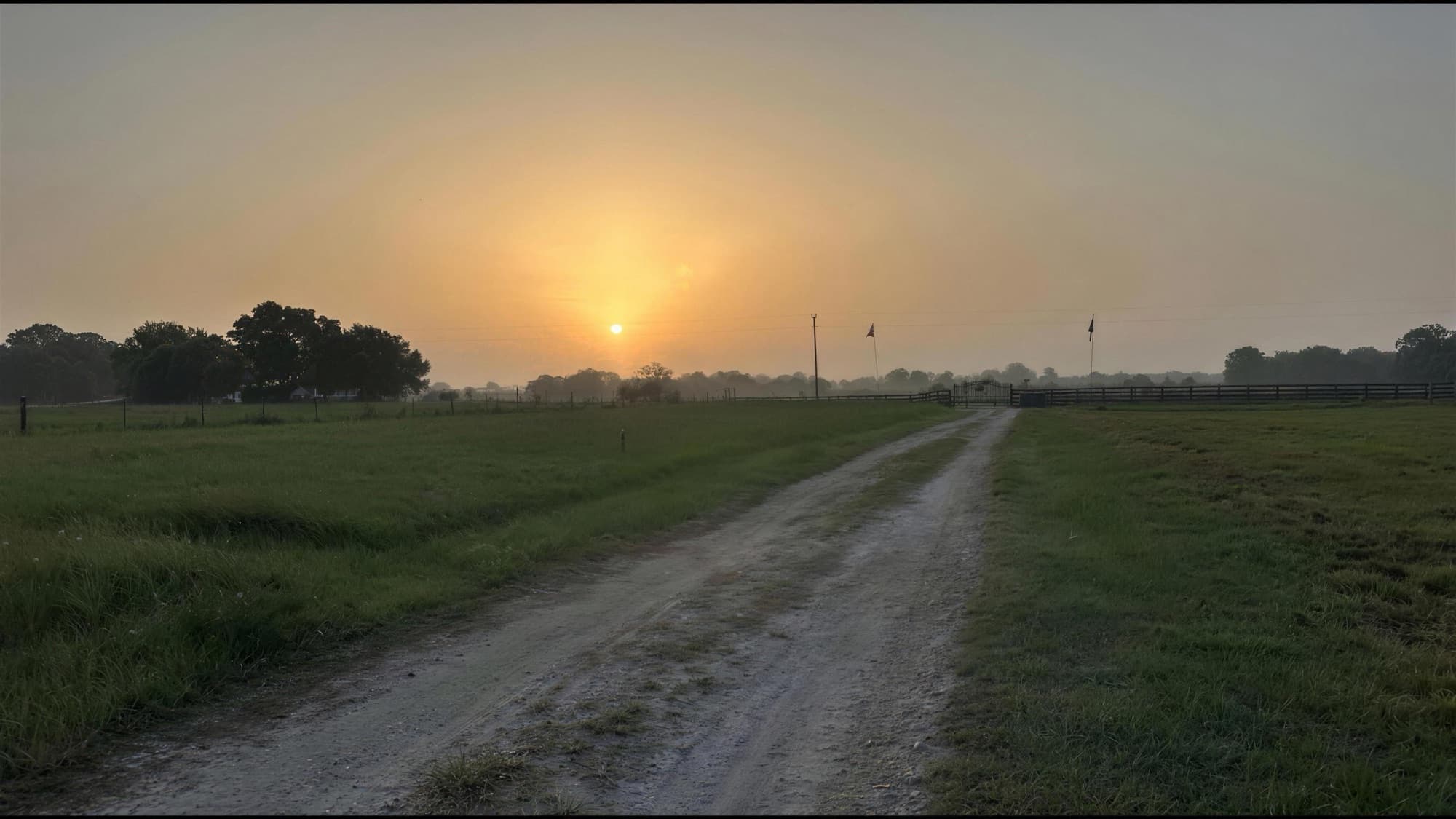
Visiting a working farm means spending a few hours inside a place that grows food and raises animals for a living, not a place built for tourists. You walk the pastures and gardens, meet the animals, watch real chores happen around you, and usually eat something before you leave. Nothing is staged for you, and that turns out to be the whole appeal.
Families come through our gate every week to walk our ten acres of pasture, garden, and barn while the place goes about its business around them. Most arrive carrying the same handful of questions: what a working farm even is, what you'll do here, what it costs, and how to leave with your shoes ruined and your mood improved. Here's the long version, from the people who feed the goats.

What is a working farm, and how is it different from a petting zoo?
A working farm earns its living growing food and raising animals. That's the whole distinction. Some of our goats give the milk that goes into our goat-milk soap. The hens lay the eggs. The bees work the gardens and pay rent in honey, and the vegetable beds grow the heirloom produce that ends up in the farm shop and on our own table. Our family lives and works here alongside more than 150 animals, if you count the chickens, which the chickens insist we do. When you visit, you're stepping into a day that was going to happen whether you came or not.
A petting zoo is built the other way around. The animals are there for the visitor, the paths are paved, and nothing has a job. There's nothing wrong with that. Some people want the theme-park version of farm animals, those places do it well, and we'd rather you know up front that this isn't one of them. Our barns hold tools that still get used. The mud is real mud. If a fence is half-mended on the day you come, that's because a fence is always half-mended somewhere.
We'd argue that's the appeal, not the fine print. We think the day clicks the moment you realize nothing was staged for you. The cattle would be grazing that hill anyway. The eggs would have been collected with or without an audience. You just got to be there for it.
What will you do on a farm visit?
The short version: walk, watch, eat, and ask questions. The pasture trails run past the goats, the cattle, and the donkeys, who are exactly as opinionated as you've heard. The chicken yard is a reliable first stop; time it right and the eggs in the boxes are still warm. The kitchen garden is loud with vegetables and flowers, the pollinator beds sit behind it, and the picnic grove is where most families wash up by early afternoon. Depending on the season, you might catch planting, mucking, fence-mending, or the bees working the flowers. The chores don't pause for visitors, and watching them turns out to be most of the show.
One thing to know going in: the pasture animals (the goats, the cattle, and the donkeys) are for watching, not for snacks from your pocket. They keep to their own diets, and those diets do not include whatever is in your jacket. Feeding the wrong thing can genuinely make an animal sick, which is why most farms ask you to only feed where you're invited. If you'd like to hand-feed, we sell optional snack cups for a small add-on, made for the chickens, guineas, ducks, and turkeys, who will happily clear you out. Approach any animal calmly and quietly; sudden moves and loud voices spook them, and a spooked animal is nobody's good time.

You'll also meet the farm dogs, the ones the whole place is named after. One will find you first and greet you like family, another will settle in for a cuddle, and a third will size you up from a safe distance until she decides you're alright. Yes, the farm is called Angry Dog Farms, and no, the dogs were not consulted about the name. If you spot a barn cat slinking along a fence line, that's one of the Rodent Patrol Crew, always technically on the clock.
On food: bring a picnic if you like. The grove is for exactly that, and we ask that you take your trash home with you, since there's no municipal pickup out here. The farm shop keeps a few things to eat and drink and a shelf of what the farm makes. Nobody should arrive expecting a restaurant, because there isn't one.
What are the different ways to visit?
There are a few ways to do this, built for different moods, different group sizes, and different appetites for schedule.
- General admission: a self-guided visit, yours to take at your own pace. You wander, we farm, everyone's happy. Walk the stroller-friendly paths and pasture fence lines, say hello to the animals, pick a few wildflowers, picnic in the grove, and browse the farm shop. Optional snack cups let you hand-feed the chickens, guineas, ducks, and turkeys. It's stroller- and service-dog-friendly.
- Guided farm tour: a farmer-led walk of the whole operation in a small group. Behind the scenes through the gardens, the animal barns, and the beehives from a safe distance, with hands-on egg collection and seasonal tasting samples along the way. It runs rain or shine, and kids are welcome.
- Private group visit: a fully custom day by inquiry. Birthdays, team outings, family reunions, scout troops, even small weddings and corporate learning days. Past groups have done pasture lunches, garden-bed building, time with the animals, and sourdough from scratch. You can start a private group visit whenever you have a date and a rough headcount in mind.
Most first-timers pick well on instinct: wanderers take general admission, the how-does-it-work types take the tour. If you want the long deliberation, we wrote one: guided tour or general admission, compared honestly, including the cases where we'd tell you to skip the tour and just wander.
What should you wear and bring to a farm?
One rule covers most of it: dress for mud, not for the photos. Closed, sturdy, closed-toe shoes that have already had a bad day. Long pants earn their keep against bugs, brush, and sun. Layers, because the morning and the afternoon here are different climates. A water bottle, and a hat in summer. The white sneakers that walk through our gate do not stay white, and we say that with sympathy, having watched it happen a few hundred times. If it rained this week, assume the farm remembers.
That's the summary. The full season-by-season version, including the things visitors most often regret wearing, lives in what to wear to a farm visit.
Is a working farm good for kids?
Farms are built for kid curiosity; we didn't have to add a thing. But different ages want different farms. Toddlers want to stand still and watch. School-age kids want a job, ideally one involving eggs. Teenagers want to know how things work and will deny wanting anything at all. Young kids will happily plant themselves in front of the chicken coop for a good while, and teenagers tend to warm up to the operation once they see how something actually works. Both make for good visits.
One practical note on terrain: the main trails are flat, stroller-friendly gravel, but some stretches are rougher and easier with a carrier than a stroller. The full breakdown, with what wins each age over and what tends to go sideways, is in visiting a farm with kids, age by age.
When is the best time to visit a farm?
There's no wrong season, only different farms. Spring is baby animals and mud in roughly equal measure. Summer is the postcard: full barnyards, a loud garden, long warm days. Fall is harvest, the shop at its fullest, and our busiest weekends by a wide margin. Winter is quiet, underrated, and the only season you get the farmers more or less to yourselves. Fall books up first. Winter never does, and we maintain that's backwards.

And the weather question, since it always comes: the farm doesn't stop for rain. The guided tour runs rain or shine, and a drizzly day mostly means fewer people and better boots. If you're choosing a date months out, the best time of year to visit walks the whole year, season by season, including the quiet one we think you're overlooking.
What does a farm visit cost, and why charge admission?
We'll keep this honest: a farm visit isn't free, and we'd rather say why than let you wonder. General admission and the guided tour each have their own rate, and private group days are quoted by inquiry, since no two of them look alike. The current numbers live on the visit page, where we keep them up to date instead of pinning them down in a blog post that ages.
Why does a farm charge admission at all? Because the visit is part of how a working farm stays a farm. Admission buys hay, mends fences, and helps cover the insurance, the extra hands, and the hand-washing stations that hosting people safely actually requires. Hosting visitors well takes real hours (gates, paths, a person at the shop), and those hours come out of the same week the animals and gardens already need. The plain accounting: a day with visitors still includes every chore a day without them would. Admission is what makes opening the gate make sense.
What are the etiquette and safety rules?
Most farm etiquette is the kind of thing you'd guess, but here's the version we'd give you at the gate. Close every gate behind you, including the one you're sure was already open. Stay on the marked paths and in the visitor areas; if you're curious about a corner you can't get to, just ask. If you'd like to hand-feed, grab a snack cup and offer it to the poultry, and leave the pasture animals to their own diets. Give working areas and machinery a wide berth, and if a dog looks busy, let it work.
A quick word on your own pets: please leave them at home. Unfamiliar dogs, however sweet, rattle the animals who live and work here, and the animals already have a routine outside visitors would upset.
The safety list is short and mostly about hands: wash or sanitize after touching animals and before you eat, keep food and drink away from the pastures, and keep small kids within arm's reach at the fences. None of it is dramatic. It's the same set of habits we teach the kids who live here.
Photography: take all the photos you want. Just stay out of working areas to get the shot, and ask before close-ups of staff or volunteers. Not all of us signed up to be the face of agriculture. For everything current and practical, including the questions we get about pets and accessibility, go straight to the practical rules on our visit page. That's the version we keep up to date.
How long does a farm visit take?
A couple of hours is the sweet spot for general admission. The guided tour is shorter and more focused. Add a picnic and a slow second lap of the garden and a visit stretches comfortably into half a day. First-timers tend to underestimate; the farm has a way of producing one more thing to look at right when you reach for the car keys.
If it helps to picture it, the time tends to break down like this:
- Arrive and check in at the farm shop, and grab whatever it's offering to start the day.
- The trails and pastures, which take as long as your slowest watcher wants them to take.
- A picnic in the grove, once somebody's legs file a complaint.
- The shop on the way out. The morning's baking rarely survives to three o'clock.
Nobody has ever told us they wished they'd budgeted less time. A few have missed the shop's last good loaf by lingering at the goat fence, and we consider that a reasonable trade.

How do you book a farm visit?
Booking online ahead of time is the safe move, and your spot holds while you check out. One caveat: fall weekends fill first, and the small-group guided tour goes quickly in any season. If your heart is set on a particular date, book it the day you pick it and forget about it until your visit.
For the deeper logistics (formats, cancellations, the full first-timer checklist) we keep a separate post on how to plan your first visit. It's the one to read the week before you come.
That's the whole picture. When you're ready, book your visit, wear the shoes you've already given up on, and come watch some chickens scratch dirt for an hour. We'll be the ones in the barn.
Frequently asked questions
No. A petting zoo is built around visitors, while a working farm grows food and raises animals whether guests come or not. On a working farm most of the animals have jobs, so you are watching real daily chores rather than a display, and that is a big part of the fun.
Booking online ahead of time is the safer choice, especially for busy fall weekends and the small-group guided tour, which fills up first. You can check current availability and times on our visit page.
On our farm you can hand-feed the chickens, guineas, ducks, and turkeys with an optional snack cup made for them. The pasture animals stay on their own diets, so please do not offer them food from your pocket, since the wrong food can make an animal sick. As a rule, only feed farm animals where you are invited to.
Wear closed, sturdy, closed-toe shoes you do not mind getting muddy, long pants to guard against bugs and brush, and layers you can add or shed as the day warms. A water bottle and a sun hat are smart in summer.
We ask that you leave your own dogs at home, since unfamiliar dogs can stress the animals that live and work here. The farm dogs and the livestock already have a routine, and an outside pet tends to upset it.
Most people spend a couple of hours on a self-guided general admission visit, and the guided tour is shorter and more focused. Add a picnic and a second lap of the garden and a visit stretches comfortably into a relaxed half day.