Visiting a Farm with Kids: An Age-by-Age Guide
Visiting a farm with kids? An age-by-age guide from toddlers to teens: which animals win each age over, stroller truth, safety without fear, and plan B.
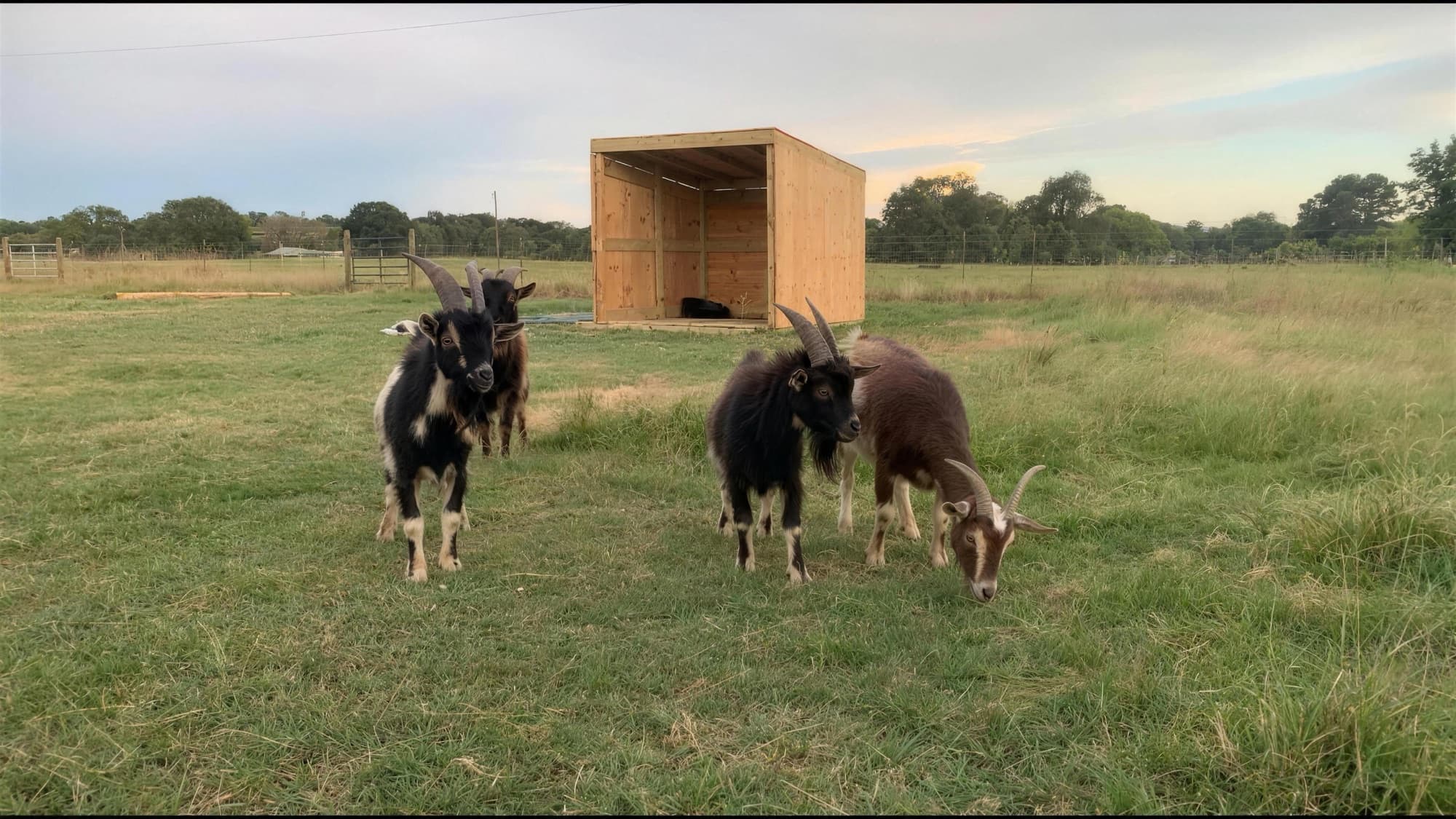
Yes, a farm is a great outing with kids, and it works at almost any age. The short version: babies and toddlers come to watch, preschoolers come to touch everything, school-age kids come to do real jobs like collecting eggs, and tweens and teens do best on a farmer-led tour where they get the how-it-actually-works version. There isn't one perfect age. There's just the age you have, and a farm that meets it.
The rest of this guide takes the ages one at a time, with the logistics that actually matter (naps, mud, snacks, hand washing) and the honest bits nobody warns you about. Grandparents, it all applies double to you, since you'll be the one carrying somebody by hour two.
Do farms and kids actually mix?
Better than almost anything else you can do with them. Nobody has to explain a farm to a kid. Adults arrive with questions; kids arrive, spot a chicken, and get straight to work. We watch families figure this out all the time, and most of the figuring comes down to ages. Each age gets a different farm: toddlers get theater, school-age kids get a job, teenagers get, with luck, forty good minutes.

If you're still working out what a visit here involves at all, start with what to expect from a working farm visit. And for a kid's-eye preview, the kids' corner of the site shows what little farmers get up to.
Babies and toddlers (0-3): carriers, naps, and watching
A farm visit works with a two-year-old, with eyes open. Toddlers don't want to do anything here. They want to watch: chickens scratching, goats being goats, a donkey deciding at length whether it's worth coming over. At this age, watching is the activity, and the farm produces an endless supply of it.
Two pieces of logistics matter more than the rest. First, the nap: morning-nappers tend to do better arriving after lunch, so plan the trip around the nap rather than against it, and check the current visiting times before you load the car. Second, wheels: the main gravel trails are stroller-friendly, but the steeper stretch out by the wildflowers is easier with a carrier. Bring snacks, and accept in advance that the visit will run shorter than the adults want and longer than the nap allows.
General admission is the easiest format with a toddler, since you can come and go on your own clock. The guided tour welcomes little ones too, though it runs on a set schedule, which asks more of a nap than a free wander does. We've written up how the guided tour compares with general admission if you want the full reasoning.
Preschoolers (3-5): the sweet spot
Between three and five, everything on a farm is astonishing and nothing is too long yet. This is the golden window. The chicken yard wins them first. The goats win them hardest, being conveniently kid-sized, an arrangement both parties seem to appreciate. And the garden rows are touchable in a way nothing behind glass ever is. Budget double time at the goat fence. We mean that practically: whatever your loop was going to take, the goats will renegotiate it.

One nice thing to mention on the drive over: during general admission you can pick up a snack cup, a small add-on, and hand-feed the chickens, ducks, guineas, and turkeys. That's a real thrill at this age. The goats are for watching and gentle hellos on a self-guided day, so frame goat time as the look-and-greet and the birds as the hand-feeding. A preschooler with a plan handles this fine. A preschooler surprised at the fence does not.
School-age kids (6-9): real jobs, real pride
Around six, the farm stops being an exhibit and becomes a place where a kid can do things. Egg collecting on the guided tour. Garden rows to explore. A whole working operation to ask questions about. The first time a kid carries a still-warm egg across the yard, walking like it's made of glass, you understand most of our business model. Hand this age a question to investigate (how many eggs does a hen lay in a week, where honey comes from before the jar) and they'll out-research the adults by lunch.

This is also the age where one good weekend turns into a request. More than a few of the birthday parties we host started exactly that way, so if yours is heading there, we've gathered our farm birthday party ideas in one place.
What about tweens and teens?
An unstructured weekend wander bores a 13-year-old in about forty minutes. We've timed it. What works at this age is the guided tour: behind-the-scenes material reads as respect, here's-how-it-works instead of here's-a-cute-animal. The kids' corner of the farm is outgrown by now, but our real workshops aren't far off, and a teenager who got to ask a farmer ten questions usually leaves with an eleventh. The phone comes back out in the car, where it belongs to the ride home, not the day. We count that as a win for everyone, including the phone.

How do you keep kids safe around farm animals?
The safety list is short, and none of it is scary. The one that matters most is hand washing, and the guidance here is clear: soap and warm running water beat hand gel every time, because the germs animals carry aren't the kind sanitizer reliably clears. So the day runs on a few simple habits.
- Wash hands with soap and warm water for about twenty seconds after touching animals or anything in their pens, and again before any snack. Sanitizer is a backup for when a sink is out of reach, not a replacement.
- Keep food and drink out of the animal areas. Eat in the picnic spots, hands washed first.
- Only feed animals the feed the farm hands you. Picnic leftovers and sandwich bits can make them genuinely sick.
- Keep kids under five within arm's reach at the fences, and don't let little hands (or pacifiers, or toys) go in mouths around the animals.
- Ask a farmer before touching anything with a beak.
That's the whole list. It's the same competence we teach the kids who live here, and they'd tell you it's mostly about protecting the snacks. Present it as how things are done rather than a catalog of dangers, and your kids will treat it the same way.
What should you bring for a farm visit with kids?
Pack light, but pack these.
- Water and sun cover in warm weather (a hat and sunscreen), or layers when it's cool. Open sky and shade are both in good supply out here.
- A spare outfit. Dress everyone for mud and assume it finds them. The full wardrobe rundown lives in the what-to-wear guide.
- Closed-toe shoes. Safer and more comfortable than sandals on gravel and around hooves.
- A stroller or a carrier, ideally both. The main trails are flat gravel and stroller-friendly; the steeper stretch out by the wildflowers is easier with a carrier.
- Snacks. The picnic areas are made for exactly that. Take your trash home, and eat there rather than at the fences.
Bathrooms are the question every parent asks, and a fair one. Check the current visit details before you come, so you're planning with facts instead of hope.
What if it rains or someone melts down?
Rain shrinks the crowds, not the farm. A wet weekend is a quieter one, and some kids prefer it that way. More than one family has told us the rainy visit is the one the kids still bring up at dinner.
Meltdowns get solved here the way they get solved everywhere: a snack, some shade, and one animal at a comfortable watching distance. And you have our permission to leave early. A great two-hour visit beats a forced five-hour one, and the farm will still be here next weekend.
When you're ready, plan your visit. Aim for the age you've got, not the age in the brochure. And if a small person solemnly hands you a still-warm egg, congratulations: you're part of the business model now.
Frequently asked questions
There is not one single best age, because every age gets something different out of a farm. Toddlers love to watch, preschoolers want to touch everything, school-age kids like having a real job like collecting eggs, and older kids do best on a farmer-led tour. Aim the day at the age you have and it works.
Have them wash with soap and warm running water for about twenty seconds after handling animals or anything in the animal areas, and again before eating. Hand sanitizer and wipes are a backup, not a replacement, because they do not remove the kinds of germs found around livestock. Supervise hand washing for kids under five.
Yes, with normal supervision. Keep little ones within arm’s reach at the fences, do not let them put their hands or objects in their mouths around the animals, and wash hands well afterward. A carrier helps on the steeper ground, and planning around nap time keeps everyone happier.
Pack water, a hat and sunscreen in warm weather or layers when it is cool, plus a spare change of clothes because mud happens. Closed-toe shoes are safest, a stroller works on the flat gravel trails, and a carrier is easier on steeper stretches. Snacks are welcome in the picnic areas, just keep food and drink out of the animal spaces.
On a self-guided visit you can pick up a snack cup and hand-feed the chickens, ducks, guineas, and turkeys, which is a big thrill for little ones. Only feed animals the food the farm provides, never picnic leftovers, since the wrong food can make them sick. Goats are for watching and gentle hellos on a self-guided day.
Plan for a shorter visit than the adults expect, since young kids run out of steam faster than grown-ups do. It is completely fine to leave early. A great short visit beats a long one that ends in tears, and the farm will still be here next time.