How to Plan Your First Farm Visit
How to pick your visit, what to wear, what a day on a working farm actually looks like, and how to be a good, safe farm guest. Everything you need for an easy first visit.
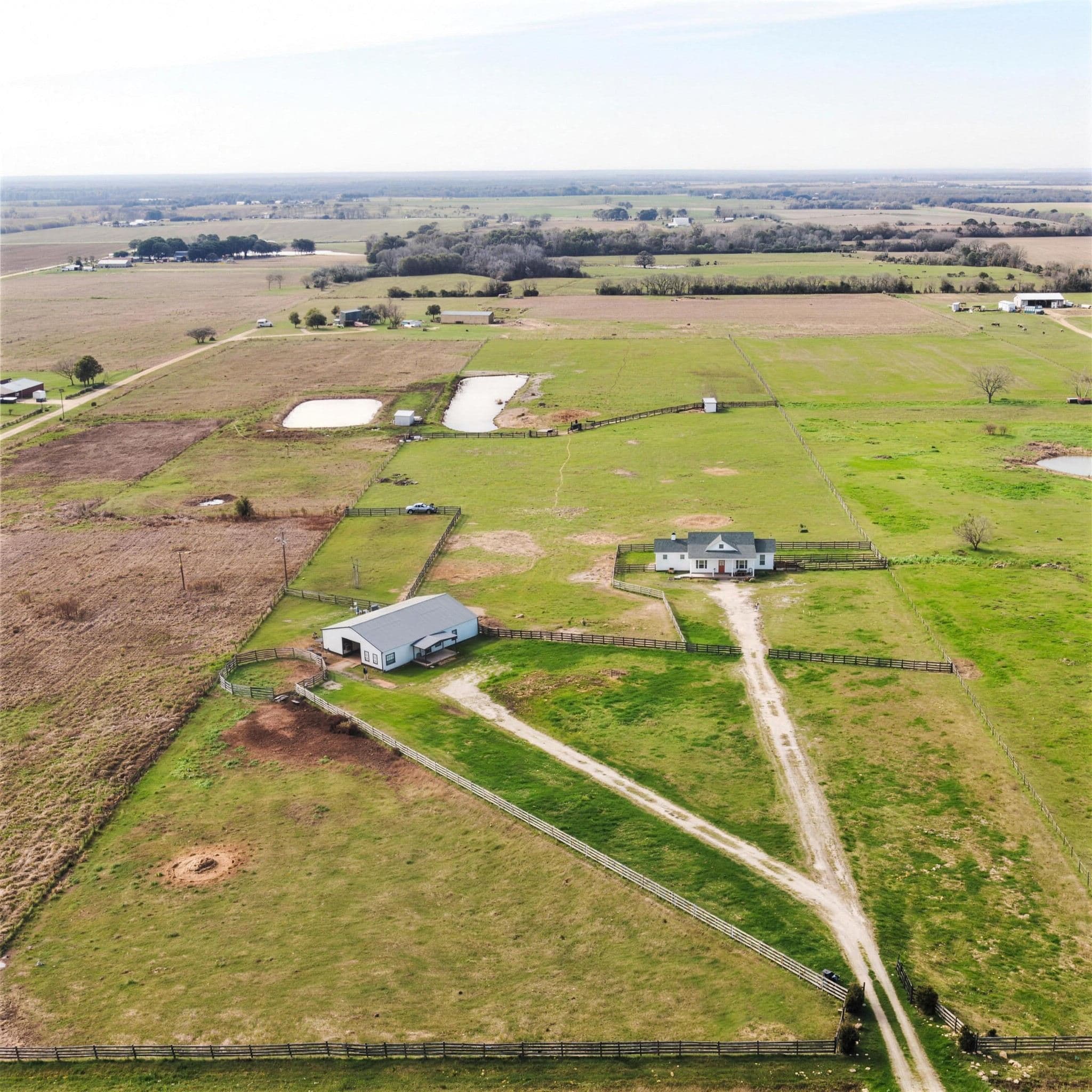
To plan a farm visit, pick the kind of visit you want, book it online, and come dressed for real, working ground. Our visit pagelists the current days, times, and the three ways to spend a day here. Choose one, reserve your spot, wear closed-toe shoes you don't mind getting muddy, bring a water bottle, and check the times again before you leave home. That's the whole plan.
Most of our visitors have never been on a working farm before. They show up in nice shoes, ask if they can pet the goats, and then spend an hour watching chickens scratch dirt with the wonder of someone who's never had to weigh their food against another season. We love that. Here's everything else worth knowing so your first visit goes well. And if you're still deciding whether a working farm is your kind of day out, start with our complete guide to visiting a working farm, then come back here for the logistics.

Which kind of visit is right for you?
We run three formats. None is wrong. They're just different lengths of "yes, you can pet the goats."
- General admission is the self-guided one. Walk the fence lines at your own pace, say hello to the animals, pick a few wildflowers, and settle into a picnic spot when you need a break. Bring kids, bring lunch, bring questions.
- Guided farm tour is a farmer-led walk in a small group, behind the scenes: the animal barns, the gardens, the beehives from a safe distance, and a little hands-on egg collecting. Best for people who like to know how things actually work.
- Private group is for birthdays, reunions, team days, and the like. We build the day around your group, so it's yours to shape.

What should you wear and bring?
Sturdy, closed-toe shoes you don't mind getting muddy come first. This is a working farm, so you'll cross gravel, grass, and at least one patch of damp ground near the barn. Long pants help with sun, bugs, and brush. Add a hat and sunscreen when it's warm, a real layer when it's cold, and boots when it's wet. Pack a water bottle, and dress for the day you've got, since most of a visit happens outdoors. The season-by-season version, including what visitors wish they'd worn, is in what to wear to a farm visit.
What happens during a visit?
We post current days and times on the visit page, so check there before you head out. A farm isn't open every hour the way a shop is, and a quick look saves you a wasted drive. Once you're here, there's no fixed program. You set the pace. A general admission visit tends to go something like this:
- Check in and browse the farm shop.
- Wander the chicken yard. A snack cup from the shop lets you hand-feed the hens, guineas, ducks, and turkeys, which is the animals' favorite part too.
- Say hello to the goats. Move slowly and let them come to you.
- Walk the gardens and the pollinator beds.
- Stop back at the shop on the way out. The good stuff goes fast.

How do you stay safe and be a good farm guest?
A working farm isn't a petting zoo, and a few small habits keep everyone, people and animals both, happy and healthy. None of it is complicated.
- Ask before you pet, and let animals come to you. Herd animals spook easily, and the farm dogs are sometimes working. A calm, slow hand goes a long way.
- Only feed the animals when we invite you to. They follow their own feeding schedules, and the wrong snack can upset a stomach. The snack cups from the shop are the safe, welcome way to hand-feed.
- Wash your hands after touching animals or anything in their space. Soap and water, before and after, is the simplest way to keep the day healthy.
- Keep little ones within arm's reach. There are big animals and working tools around, and the farm is more fun when a grown-up is close by for the tall fences and the taller cows.
- Stay on the paths and marked areas.If something off the trail catches your eye, just ask one of us and we'll happily point you the right way.
- Leave your own pets at home. Service dogs on a leash are always welcome, but other dogs make the livestock anxious, even the friendly ones.
One honest note on health: allergies to hay and animals are common, so if anyone in your group is sensitive, tuck an antihistamine in your bag. And yes, the dogs are friendly. They're the farm's namesakes, they love a visitor, and no, they did not get a say in the name.
How do you book, and what if plans change?
Book online from the visit page. Your spot is held for a few minutes while you check out, then you're set. If something comes up, we move things around when we can, so just email us at the address on your booking confirmation and we'll sort it out. Weather rarely closes us, but the sky gets the final vote, and we'll reach out if a day ever needs to change.

That's the plan. Book a visitwhen you know your date, come ready for a little mud, and we'll see you on the farm.
Frequently asked questions
Booking ahead is the safest way to guarantee your spot, and it helps a working farm plan for guests. Check the current days and times on our visit page before you head out, because a farm is not open every hour the way a store is.
Closed-toe shoes that can get muddy are the most important thing, along with long pants and clothes that handle dust and dirt. Add a hat and sunscreen in warm months and a warm layer when it is cold, and dress for the weather, since most of the visit happens outdoors.
Service dogs on a leash are always welcome, but please leave other pets at home. Outside dogs tend to stress the livestock, and even a friendly dog can cause trouble around farm animals.
Ask before you pet, move slowly, and let the animals come to you, because herd animals startle easily. Wash your hands with soap and water afterward, which is the simplest way to keep everyone healthy.
Only feed the animals when the farm invites you to, because they follow their own feeding schedules and the wrong food can make them sick. We sell snack cups so you can hand-feed certain birds in a way that is safe for them.
Yes, most kids love it, as long as an adult stays close the whole time. A working farm has large animals and equipment that call for supervision, and little ones do best with a hand to hold near the bigger animals.