What to Wear to a Farm Visit (and What to Leave Home)
What to wear to a farm visit, season by season: shoes that survive mud, layers that earn their keep, and what to leave home. Honest advice from the farm.
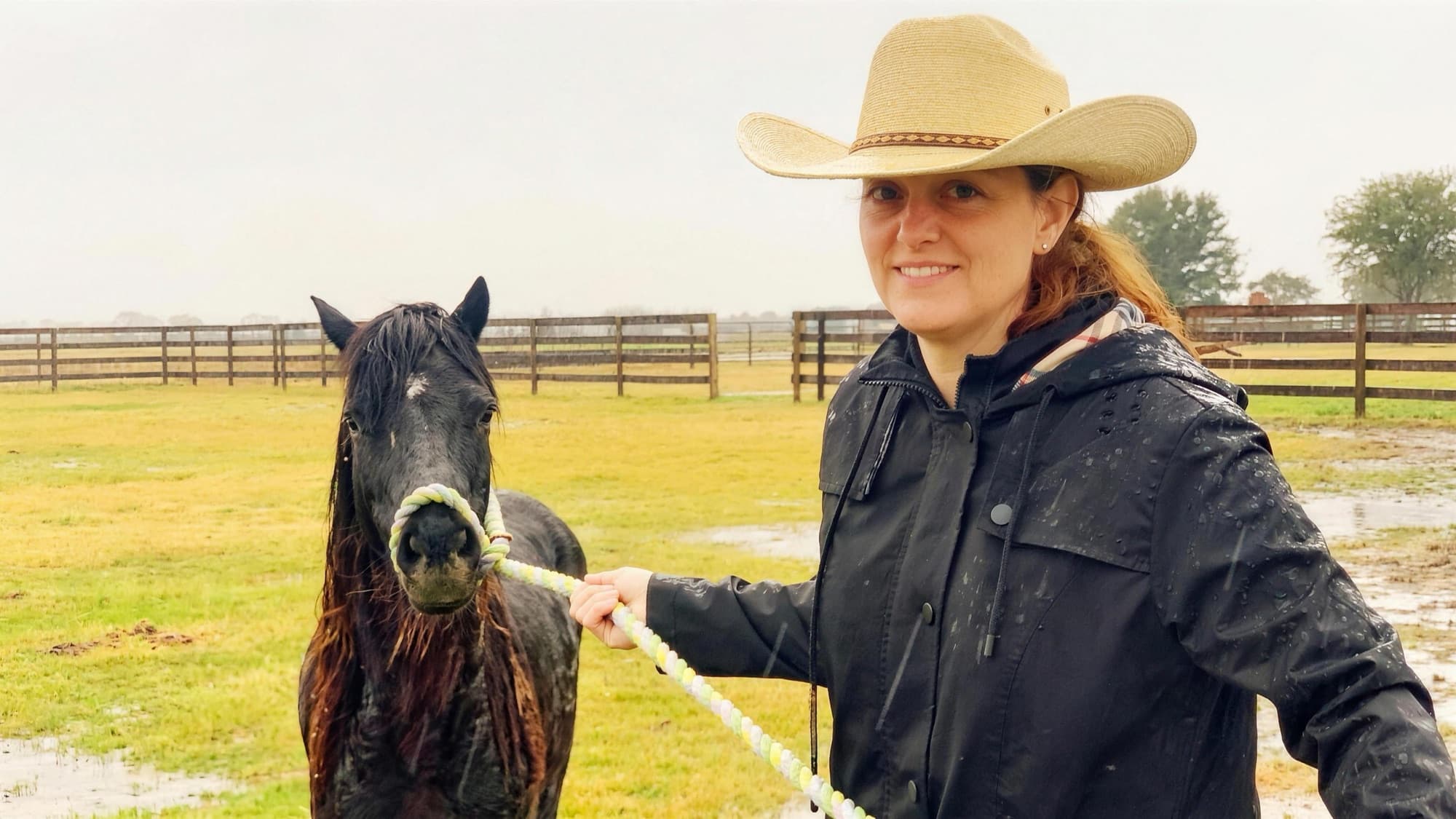
What should you wear to a farm visit?
Short version: closed-toe shoes you don't mind getting muddy, long pants or comfortable clothes that can get dirty, and layers you can shed as the day warms up. Add a hat, sunscreen, and a water bottle you'll actually refill, and you're set. The rule underneath all of it is simple. Dress for mud, not for the photos. The farm doesn't care what you look like. The mud, on the other hand, takes an active interest.
Every weekend we watch a pair of white sneakers walk through the gate, and every weekend we know how the story ends. Not badly, exactly. The owner has a wonderful day. The sneakers retire.
We're not judging. Farms are deceptive in photographs; they look like parks. The difference announces itself about thirty steps past the gate, usually to the ankles first. Consider this the wardrobe chapter of our complete guide to visiting a working farm. The footnotes follow, starting with the decision that matters most.

What shoes should you wear to a farm?
Closed-toe shoes, every time. This is the one place we're firm, because it isn't really about the mud. Farms have gravel, hooves, and the occasional dropped tool, and open toes lose every argument with all three. Sandals and flip-flops don't make the list at all.
Shoes decide more of your day here than anything else you put on. The trails are gravel and grass, with honest mud after rain and a permanently damp patch near the barn that has strong opinions about bare feet. Our order of preference: rubber boots first, then worn-in sneakers you've stopped loving, then, distantly, anything new or white.
One more footwear fact: if it rained in the last day or two, count on mud whatever the forecast says now. The gravel drains. The grass does not.
You don't need to buy anything for this. The right farm shoe is usually the worst pair already in your closet, promoted at last to the job it was born for.
Should you wear long pants and sleeves?
Long pants earn their place here, and jeans or any comfortable trousers do the job. They keep fence posts, brush, and the odd curious beak off your shins, and they save your legs from a long day of sun. Shorts are fine on a hot afternoon if you'd rather, just know the pasture grass and the animals both get a little friendlier with bare legs.
Up top, light long sleeves are worth packing in warm months for the same reasons: sun, scratches, and the occasional insect. Whatever you choose, pick clothes you'd be happy to see come home dirty, because at least one thing you wear is going to.

Layers: dressing for weather that changes by the hour
Mornings here start cool, even in the warm months. By early afternoon the open pasture runs warm, and the barn is its own climate altogether: cooler than outside in summer, warmer in winter, dusty in every season. One heavy coat handles none of this well. A layer you can shed and tie around your waist handles all of it, which is why farmers dress like onions and have no plans to stop. Check the forecast the night before, then pack one layer more than it suggests. The forecast has never mucked out a barn at eight in the morning, and it shows.
What to wear in each season
The rule holds all year; the footnotes shift with the calendar. If you're curious what the farm itself is up to while you're dressed for it, that's covered in what each season actually looks like here.
- Spring: peak mud. Waterproof footwear is non-negotiable; everything else is up to you. A light rain layer earns its keep most weeks.
- Summer: a hat, light long sleeves if you burn, and a water bottle you plan to refill. The open pasture is the warmest spot on the farm by afternoon.
- Fall: layers, and shoes you can stand around in. Fall brings our busier weekends, which means more lingering at fences and in the shop line.
- Winter: real boots, warm socks, gloves. Cold hands end farm visits faster than cold anything else.
And the rain question, which arrives every week: rain mostly means fewer people. A waterproof layer and boots turn a wet forecast into one of the better days to come.

What should kids wear to the farm?
Same rules, smaller sizes, plus one addition we consider mandatory: a full change of clothes waiting in the car. For kids, always; for adults, after rain. A child who has found the mud is a happy child, and the ride home goes better when the mud stays at the farm. Skip anything with drawstrings or dangly hoods near the animal fences; our goats treat both as conversation starters.
The rest of the kid logistics, from strollers to snack strategy to which ages want what, is in our age-by-age guide to farm visits with kids.
What should you bring to a farm visit?
Beyond what you're wearing:
- A water bottle
- A hat
- Sunscreen
- That change of clothes
- A tote for farm shop finds
- Hand sanitizer, for the stretch between animals and snacks
That last one matters more than it looks. Wash or sanitize your hands after you've been around the animals and before you eat, and you'll skip the only part of a farm day anyone regrets. A picnic is welcome too. The grove is built for exactly that; we just ask that you take your trash home with you, since there's no municipal pickup out here.
What to leave home
Sandals and flip-flops, as covered. Anything white, new, or precious. Strong perfume, because the bees notice and you do not want their full attention. And low-hanging jewelry, which reads to a curious goat as an invitation to negotiate. The goats lose these negotiations less often than you'd hope.
None of this is a rule, exactly. It's more that the farm has tastes, and it's cheaper to learn them from a blog post than from a goat.
Still want a nice farm photo? The honest compromise
If you're planning photos, we're glad. The farm photographs well, and we like seeing it through visitors' eyes. The compromise that works: boots that have met mud before, plus whatever you like up top. Take the photos early in your visit, before the farm gets involved with your outfit. And let golden hour do the heavy lifting; it does more for a picture than any outfit we've seen come through the gate. For what it's worth, the best farm photos visitors have shown us were taken in the rain, in boots, with nobody dressed up at all.

That's the whole wardrobe. Pick a day and book a visit, wear the boots, bring the hat. Just know that our goats consider hats a delicacy, and they're quicker than they look.
Frequently asked questions
Wear closed-toe shoes you can get muddy, long pants or comfortable clothes that can get dirty, and layers you can shed as the day warms up. Add a hat, sunscreen, and a water bottle. The guiding rule is to dress for mud and animals rather than for photos.
No. Open toes lose every argument with gravel, hooves, and the occasional dropped tool, so closed-toe shoes are the one thing we ask for. Rubber boots are ideal, and worn-in sneakers you have stopped loving are a fine second choice.
Long pants are a good idea. Jeans or any comfortable trousers keep fence posts, brush, sun, and curious animals off your legs. Shorts are fine on a hot day if you prefer, just expect the pasture grass and the animals to get a little friendlier with bare legs.
Kids follow the same rules in smaller sizes, plus a full change of clothes waiting in the car. Skip drawstrings and dangly hoods near the animal fences, since goats treat both as something to nibble.
Bring a water bottle, a hat, sunscreen, a change of clothes, a tote for farm shop finds, and hand sanitizer. Wash or sanitize your hands after you have been around the animals and before you eat.
A waterproof layer and rubber boots turn a wet forecast into one of the calmer, less crowded days to visit. If it rained in the last day or two, expect mud even if the sky has cleared, because the grass holds water long after the gravel drains.