Your First Farm Workshop: What to Expect (and What to Wear)
What to expect at a farm workshop: what to wear, what to bring, how the day actually runs, and honest answers to the worries every first-timer has.
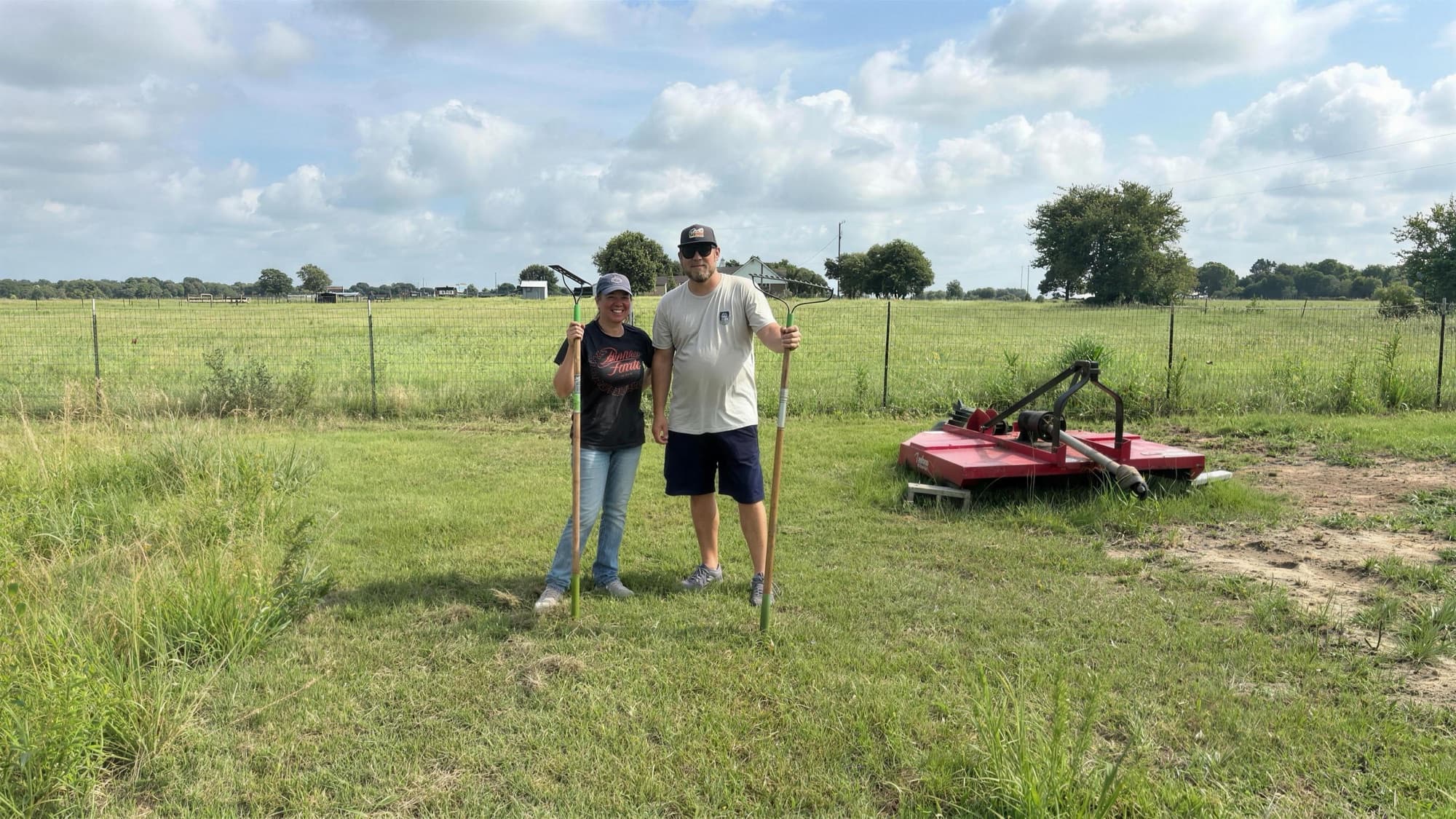
At a farm workshop you spend a few hours in a small group on a working farm, learning a hands-on skill with someone experienced right beside you, and you take home whatever you make. Expect comfortable clothes that can get dirty, closed-toe shoes, and a relaxed day that runs in stages with plenty of breaks. No experience is required, nobody is grading you, and beginners are genuinely the whole point.
Booking your first one still comes with a specific kind of nerves. Not whether the farm part will be lovely (you already trust that part), but whether you'll be any good at it. So here's the reassuring bit, after a lot of first-timers have come through our kitchen and barn: you will be just fine, and every single one of them wondered the exact same thing.
Think of this as the friendly logistics post: what a workshop is, what to wear, what to bring, how the day runs, and honest answers to the worries nobody says out loud. If you're still deciding which workshop to take first, that's a separate guide; this one assumes you've already picked your one.

What is a farm workshop, and what isn't it?
A farm workshop is a small group on a working farm with your hands on the real thing. You make something, and you take it home with you. It isn't a lecture, a demo you watch from a folding chair, or a test of any kind. Nobody's grading you, and honestly, beginners are the whole point of the format.
A morning making real goat-milk soap, a loaf of bread, a jar of something fermenting: the shape is the same. Someone experienced stays right beside you the whole time, and the thing you make comes home with you whether it turns out beautiful or merely yours. Merely yours, it turns out, is plenty.
What should I wear to a farm workshop?
Wear comfy clothes that can take flour, mud, or both, and don't think twice about it. Closed-toe shoes you won't miss, sleeves that roll up, hair tied back for kitchen work, and a layer for the morning chill the old barn holds long after the day warms up. Leave the good jewelry and anything you'd grieve over at home.
- Closed-toe shoes with a bit of tread. Sneakers are fine; the barn floor isn't a runway.
- Sleeves you can push up. Most of these crafts happen forearm-deep.
- A layer you can shed once the morning burns off.
Aprons cover the front of you. Your shoes are on their own.
What should I bring, and what should I leave at home?
Bring a water bottle, a tote or tea towel for whatever you make, and a notebook if you're the note-taking kind. Leave at home anything that can't get a little dusty and anything you'd be sad to ruin. And don't worry about getting the list just right: each workshop's page spells out anything specific you should bring, so none of this is a guessing game.
For pets and the rest of the ground rules, the practical rules on our visit page lay it all out more clearly than a paragraph here could. The farm is gentle on people and a little hard on possessions.
How does a workshop day actually run?
Every workshop is a little different in the middle, but the frame stays the same. You check in, wander over to the workspace, work the craft in stages with natural breaks, then pack up what you made and learn how to keep it. Farm crafts have built-in pauses, and that's when the coffee comes out and the questions start flowing.
- Arrive and check in. Most hands-on farm workshops start with a quick liability waiver, and it only takes a minute.
- Introductions and a short walk to the workspace. This is usually when the dogs find out about you, too.
- The craft itself, in stages, with breaks wherever the waiting naturally falls.
- Wrap-up. We help pack your work to travel safely, and you learn how to look after it at home.
To picture the middle, take a sourdough session: coffee and pastries while the introductions go around, mixing and folding with rests built into the dough, then shaping your first sourdough loaf while someone gently confirms your hands are doing exactly the right thing. Different crafts, same friendly shape: stages, waiting, the part you came for.

Do I need any experience?
None at all, truly. Beginners are the point, and the whole format assumes you've never done this before. You won't look silly, because everyone is elbow-deep in the same thing at the same time and there's no audience watching. You don't need to be especially fit, either; mostly you just need to stand at a table.
And that worry that you'll be the one person who just can't do it? We've never once seen it come true. We've watched folks who swore they had no hands for this turn out a bar or a loaf they were quietly proud of, then ask us what to book next.
What about the weather, the mud, and the animals?
Good news: the hands-on parts mostly happen under a roof, in the kitchen or the barn, and a farm doesn't stop for a bit of drizzle. Just dress for the walk between buildings, and check the details on your workshop's page for anything specific to it. You're on a working farm, so expect a little friendly background commentary from the pastures.

Our farm dogs may well stop by to supervise, one up close, one hoping for a scratch, and one keeping a respectful distance. They're as friendly as can be, whatever the farm's name might suggest. The dogs, for the record, were not consulted about it.
Can I bring kids, or book a group?
It depends on the workshop. Some are all-ages and some set a minimum age, so have a peek at the guidance on the page for the one you want. For the younger crowd there are little-farmer workshops and birthday parties built just for them, which honestly makes a happier day than a small child at a soap table.
Groups can go the private, custom-workshop route and have a whole day shaped around them. And for accessibility questions of any kind, please just email us before you book. We'd so much rather plan for you than surprise you.
What do I leave with?
Three lovely things: the item you made, the start of a skill your hands didn't have at breakfast, and usually a running list of what you want to try next. The take-home is the point of every workshop, and exactly what's included is listed on each one's page, so you'll know before you book.
Whenever you're ready, come browse the workshop calendar and pick the one that's been circling your head. Wear the old sneakers. Come exactly as you are. We'd love to have you.
Frequently asked questions
Wear comfortable clothes you do not mind getting dirty, closed-toe shoes with a bit of tread, and sleeves you can push up. Bring a layer for the morning chill and leave good jewelry at home. An apron covers the front of you, but your shoes are on their own.
No experience at all. Farm workshops are built for beginners, so the whole format assumes you have never done it before. Someone experienced stays right beside you the entire time.
Bring a water bottle, a tote or tea towel for whatever you make, and a notebook if you like taking notes. Leave at home anything that cannot get a little dusty or that you would be sad to ruin. Each workshop page lists anything specific you should bring.
It depends on the workshop. Some are all ages and some set a minimum age, so check the details on the page for the one you want. Younger children usually have a happier day at a workshop or party built for their age group.
The hands-on parts of most workshops happen under a roof, in a kitchen or barn, so a bit of drizzle does not stop the day. Dress for the short walk between buildings and check your workshop page for anything weather specific.
You leave with whatever you made that day, whether it is a loaf, a bar of soap, or a jar of something, plus the start of a new skill. What is included is listed on each workshop page so you know before you book.