Backyard Chicken Keeping for Beginners: A Hands-On Class
Backyard chicken keeping for beginners, taught hands-on with our flock: coop design, predator-proofing, flock health, and collecting eggs the right way.
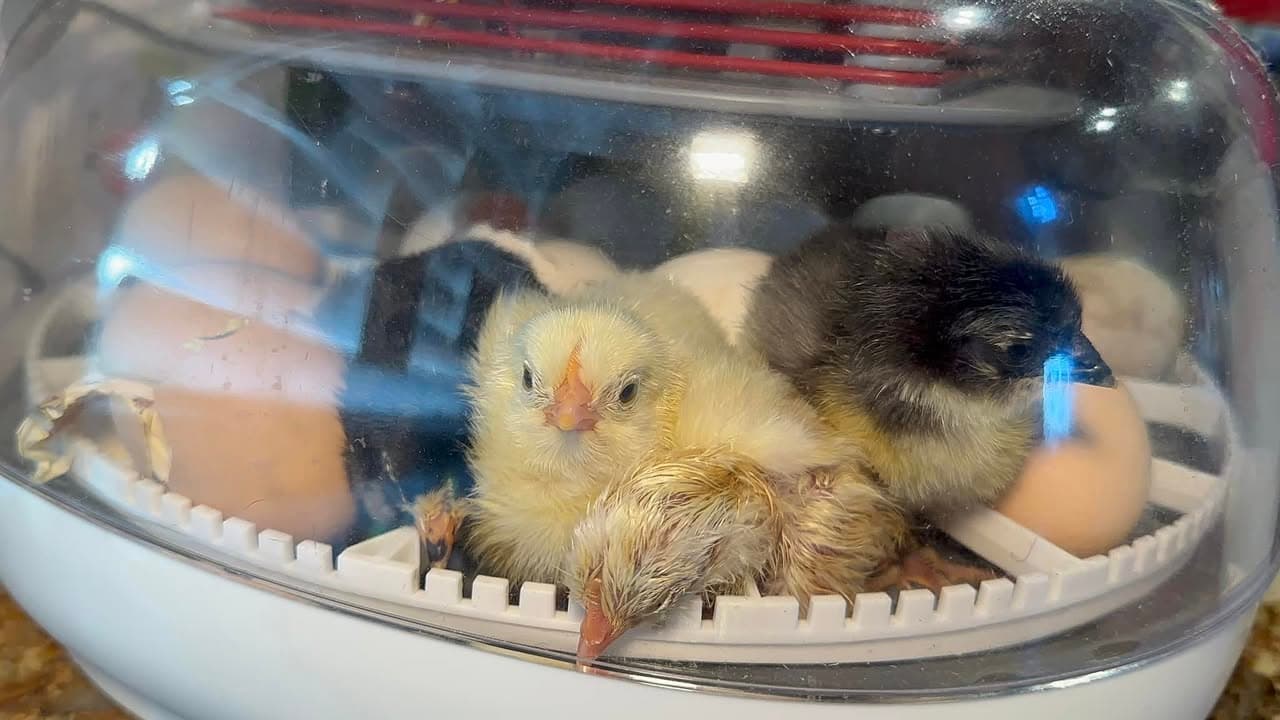
To keep backyard chickens as a beginner, start with at least three hens (never a single bird, since chickens are flock animals), give them a coop and run built to keep predators out, and feed a complete layer feed with clean water always within reach. You don't need a rooster for eggs, and most hens start laying around five or six months old. That is the short version. The rest is detail, and detail is exactly what turns a nervous first-timer into a confident keeper.
Most people who want backyard chickens start the same way: a coop bookmarked, a breed chart half-read, and a low hum of worry that they'll get something wrong and an animal will pay for it. That worry is fair, and it's also the easiest thing to fix. You stand next to a working flock, ask the questions you're too embarrassed to type into a search bar, and watch someone do the thing you've only read about. That's the idea behind our Backyard Chicken Keeping class, one of our hands-on farm workshops.
We started this farm from a backyard garden, and back in those early days we knew next to nothing about hens. We learned the slow way, mostly by getting things wrong in front of the animals, so wherever you're starting from, you're in good company. Here's what we cover, and the honest version of what a backyard flock asks of you.
What do you learn in a beginner chicken keeping class?
A beginner chicken keeping class walks the whole arc of starting a flock: how many birds to get, whether you need a rooster, designing a coop and run, predator-proofing, feeding, spotting a sick bird, and handling hens to collect eggs. Ours adds a walk through the working brooders, coops, and runs, so you see how the pieces fit together on a real, occupied setup instead of a diagram.
Reading gets you maybe halfway. The other half is the part where a real hen is heavier and squirmier than you pictured, where you can smell good bedding from bad, and where someone catches your mistake while you're making it, not in the comments three days later. We keep the group small on purpose, so every answer stays specific to your yard.
How do you start backyard chickens, and how many should you get?
Start with three or four hens, never just one. Chickens are flock animals, and a single bird is a lonely, stressed bird. You don't need a rooster for eggs, since hens lay just fine without one, so unless you want fertilized eggs or crowing before sunup, you can happily skip him. Most beginners choose between day-old chicks and ready-to-lay pullets.
Chicks are the cheaper way in, but they need a brooder, a heat source, and weeks of close attention before they ever set foot outside, and they won't lay an egg until they are around five or six months old. Pullets cost more, and the trade is simple: you pay for the weeks someone else already put in, and you get eggs months sooner. In class we sort out together which path fits the time and patience you actually have, not the version of yourself you're hoping to become.

Are backyard chickens allowed where you live?
Before you buy a single chick, find out what your town actually allows, because this is the step most beginners skip and later regret. Rules vary a lot from one place to the next: some limit how many birds you can keep, some ban roosters outright, and some ask for a permit or a setback from property lines. A quick look at your local zoning rules, plus your homeowner association guidelines if you have one, saves you from building a coop you might have to move. It takes an afternoon, and it is worth doing before you fall in love with a breed.
How do you design a coop and run that works?
Plan for roughly four square feet per bird inside the coop and eight to ten in the run, then build bigger if you can, because crowded birds peck and get sick. A good coop needs ventilation up high, dry bedding, a roost bar off the ground with about eight inches of bar per bird, and one nest box for every three or four hens.
The number that matters most isn't the size of the coop, though; it's how well it keeps things out, which is the next section. On the walk-through we visit the real coops together and point out the boring little details that decide whether keeping chickens feels like a joy or a chore: a roof that sheds water away from the bedding, and a layout you can clean in ten minutes instead of dreading.

How do you predator-proof a chicken coop?
Predator-proofing is where most of your money and worry should go, and once it's done well you can sleep easy. The essentials are simple to name and worth doing right:
- Use quarter-inch hardware cloth, not flimsy chicken wire, which raccoons can tear or reach right through.
- Bury a wire apron around the base so digging predators hit a dead end.
- Fit latches a raccoon can't twist open, since the clever ones work a simple hook loose in the dark.
- Cover the run and close the coop every night at dusk, when most predators come hunting.
Almost everyone who loses a flock loses it to a predator, usually at night, through a gap they swore was fine. The list of things that want your hens is long: raccoons, foxes, hawks, opossums, and the occasional snake after eggs. Loose dogs, including the family's own, are one of the most common culprits of all. None of them are geniuses, but they're patient, and they only have to be right once. In the class we show you the weak points on coops that years of local wildlife have already tested.
What do chickens eat, and how many eggs will you get?
A laying hen runs mostly on complete layer feed, with grit to grind it down, oyster shell offered on the side for hard shells, and clean water always within reach. In season, a healthy layer gives about four to six eggs a week, so a small flock easily covers a family's breakfast.
Kitchen scraps and time on grass are a bonus, not a diet, so let the feed do the real work. Collect eggs daily, more often in hot weather, and they're usually still warm when you reach under the hen, which never quite stops being a small daily marvel. You'll see fewer eggs in winter and after a molt, and that's completely normal. We send you home knowing what good feed looks like and where to find reliable answers, so you're not guessing on day one.

How can you tell if a chicken is sick?
You learn what healthy looks like first, then the changes jump out. A well hen is bright-eyed and busy, eating and scratching, with a red comb and clean feathers around the vent. A sick bird goes quiet and hunched, stops eating, stands apart from the flock, or breathes with its beak open. Catching it early is most of the battle.

Chickens hide illness, so by the time a bird looks unwell it has often been off for days. The habit we teach is a thirty-second look every morning while you're already out there for eggs: who reaches the feed first, who's lagging, whose comb has gone pale. A bird that seems off gets moved away from the others until you know what's going on. We go over the common beginner scares, which ones are routine, and when it's time to call a vet who treats poultry.
What does the hands-on part of the day look like?
After the basics, you spend real time with the hens: how to pick one up calmly so neither of you panics, how to look her over, and how to gather eggs without cracking them. We visit the working brooders, coops, and runs together, and the farmer leading the class fields live questions about your own yard.
This is the part a screen can't give you. Holding a hen turns an abstract plan into something your hands already know. For the full rundown of what a workshop day looks like, from where to park to what to wear and bring, we keep the logistics in their own post so this one can stay about the chickens.
Is keeping backyard chickens worth it? The honest math
Honestly, not for the money. Once you spread the coop and feed across the years, backyard eggs rarely come out cheaper than the carton at the store. Hens lay well for about two years, taper after the third, and can live eight to ten, so you'll feed birds long past their laying prime.
So why keep them? For the reasons the spreadsheet misses. The eggs are better and fresher than anything a carton can offer, and that is most of the answer. The rest is the routine, the compost the birds turn your scraps into, and the way kids who help with chores stop thinking eggs come from a store shelf. It's a small, steady commitment that pays back in something other than savings.
If you eventually want to raise birds for meat, the natural next step after this class is our field-to-freezer processing class, which picks up where keeping leaves off. Most people start right here, though, with a few laying hens and a coop nothing can get into. Never kept a chicken before? Perfect, that's exactly who we built this class for, and we'll be right beside you the whole day. You can see this alongside our other farm workshops, and when you're ready to stand beside the flock and ask your own questions, book the chicken keeping workshop. Bring your hardest questions. We've probably made that mistake ourselves already.
Frequently asked questions
Start with at least three hens, since chickens are flock animals and a single bird gets lonely and stressed. Three to six is a comfortable range for most households, and three hens usually give about a dozen eggs a week in season.
No. Hens lay eggs with or without a rooster, and you only need one if you want fertilized eggs that could hatch into chicks. Many keepers skip the rooster to avoid the early morning crowing and because some towns do not allow them.
Most hens begin laying around five or six months old, though it can stretch closer to eight months depending on the breed and the season. If you buy ready-to-lay pullets instead of chicks, you skip most of that wait.
Use quarter-inch hardware cloth instead of flimsy chicken wire, bury a wire apron around the base so diggers hit a dead end, fit latches a raccoon cannot twist open, cover the run, and shut the birds in every night at dusk. Most flocks that are lost are lost to a predator at night through a gap that seemed fine.
It depends on your town, so check your local zoning rules and any homeowner association guidelines before you build a coop or bring birds home. Some places limit flock size, require a permit, or ban roosters, and confirming first saves a lot of trouble later.
Usually not, once you count the coop, the feed, and the years a hen lives past her best laying stretch. People keep chickens for fresher eggs, the daily routine, and the compost and enjoyment rather than to save money.