Inside Our Chicken Processing Class: Field to Freezer
What a hands-on chicken processing class is really like: humane handling, breaking a bird down, and the ready-to-cook chicken you take home and freeze.
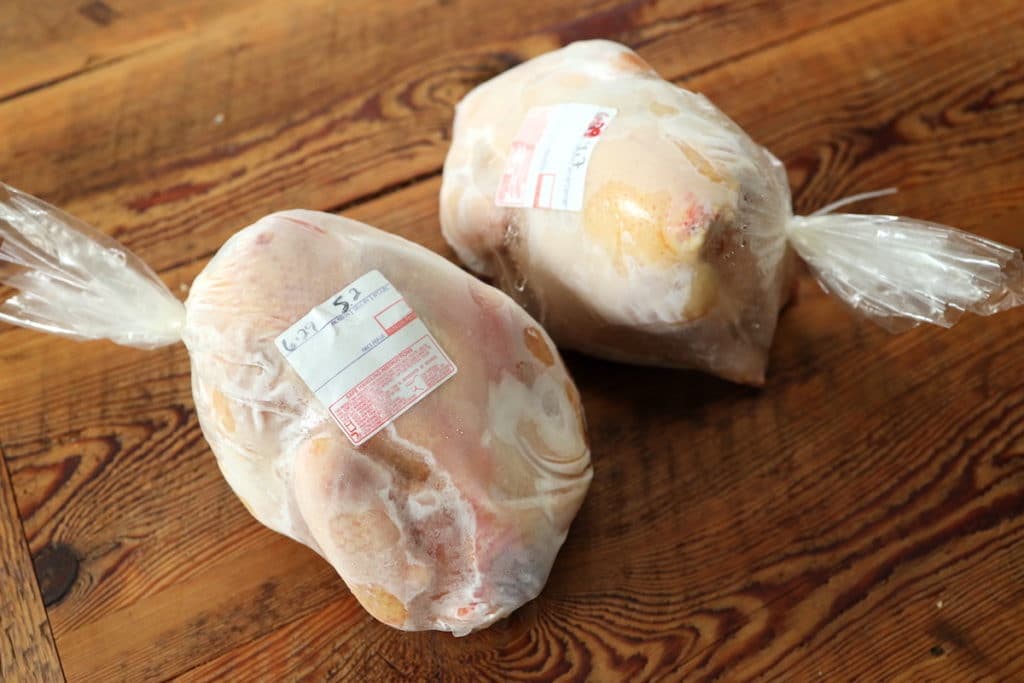
A chicken processing class is a hands-on workshop where you learn to take a meat bird from live animal to packaged, ready-to-cook chicken. Over one morning you work through humane handling and dispatch, a quick scald and plucking, cleaning and eviscerating the bird, then breaking it down into cuts and packing it for the freezer. Ours is a family poultry butchery class taught in a small group, and every person leaves with a whole bird they processed and packaged themselves.
Most folks who sign up have never taken an animal from the pen to the freezer with their own hands, and that's exactly who it's for. Some are about to raise their first batch of meat birds and want to see what the last day looks like before they take it on. Some already keep a backyard flock and want to close the loop. Some are parents who'd like their kids to understand where chicken actually comes from. We teach all of them together, side by side. If you're still working out which class to start with, our guide to hands-on farm workshops lays out the whole roster, and you can see the full lineup on our workshops page.
This is the one workshop we write about plainly, because tiptoeing around what it is would be its own kind of dishonesty. It's a butchery class. You'll help end a bird's life, humanely, and you'll go home with a chicken you can roast for dinner. So here's exactly how the day goes, what it asks of you, and who it might not be for. If you'd rather get the feel of the morning than the mechanics, our honest look at what a chicken processing class is like walks it through from the gate to the drive home.

Do you need any experience to take a chicken processing class?
No. Almost nobody arrives with butchery experience, and plenty of people come having never kept a chicken in their life. That's completely fine. What the day really asks of you is a steady hand with a sharp knife and a clear head about what the morning involves, not a resume. We show every step before you try it, and the group stays small so you're never left guessing.
If you'd rather come at it from the other direction and raise the birds before you ever process one, you can learn to keep a backyard flock first, then circle back once your birds are the right age to process.
What happens in a field-to-freezer class, step by step?
The day moves in order, and nothing is rushed. We show you each step on one bird before you try it yourself, and one of us stays right at your elbow for the parts that are new to your hands. Here's the shape of the morning:
- Meet the live birds and learn low-stress handling.
- Walk through humane dispatch together, calmly, with time to talk it through beforehand.
- A quick scald in hot water to loosen the feathers, then plucking.
- Cleaning and gutting the bird, with a hands-on look at how it's actually put together.
- Breaking the whole bird down into cuts.
- Chilling and packaging for the freezer, then taking your bird home.
This isn't a class where you watch from the back row and hope you picked it up. Everyone gets their hands in, and every person leaves with one whole bird they processed and packaged themselves. Keeping the work clean and the meat cold along the way is part of what we teach, because food safety starts at the table, not in the kitchen.

Is processing a chicken humane?
Yes, when it's done with care. Humane processing means keeping the bird calm and unstressed right up to a quick, skilled dispatch that minimizes pain and fear. We teach low-stress handling, explain why a calm bird matters for both welfare and meat quality, and we make room for the ethics of it: why we do this, and what it means to eat meat honestly.
We don't dramatize this part, and we don't hide it either. A bird handled gently and dispatched quickly suffers less than nearly anything that arrives shrink-wrapped from an industrial line, and we say so without turning the morning into a lecture. Some people find the moment harder than they expected, and that's completely normal. We leave plenty of room for it, and you can step back at any point, no explanation needed. Often the anticipation is the hardest part, and doing it carefully, alongside people who take it seriously, tends to change how you think about the meat on your plate.
What skills will you take home?
You'll leave with real, repeatable technique: how a chicken is actually put together, how to break a whole bird down into parts, how to portion with a knife instead of hacking at it, and how to package and label cuts so they keep well in a home freezer. These are skills you keep for good, not party tricks.
By the end of the day you can:
- Read a bird's anatomy: find the joints, so the knife does the work instead of brute force.
- Break a whole bird into the standard cuts (breasts, thighs, drumsticks, wings) plus a carcass worth saving for stock.
- Portion cleanly with a sharp knife rather than wrestling a cleaver.
- Package and label for the freezer, so nothing turns up at dinner as a mystery brick of ice.
We work with sharp knives and proper butchery tools the whole time, and we'll show you exactly how to handle them safely before they're ever in your hand.
Can kids come to a chicken processing class?
Kids are welcome from age eight, with a parent or guardian staying present and actively supervising the whole time. This isn't a drop-off, and it isn't a watch-from-the-car morning. Adults and children learn side by side. Whether your child is ready is a call only you can make, and we'll back whatever you decide on the day.
A common and fair question is whether a kid can handle it. We can't answer that for you; you know your child, we don't. What we can tell you is that the children who come tend to be matter-of-fact about the day in a way that often surprises the grown-ups with them, and that you can always ease your kid back from any part that feels like too much. Nobody is ever made to do anything they don't want to do. You set the pace for your own family, start to finish.
What should you wear and bring?
Wear clothes you don't mind ruining, and closed shoes you don't mind getting wet, ideally rubber boots or something waterproof, because the ground gets damp and the work gets messy. The tools, aprons, and safety gear are provided, so you don't need to bring equipment, and you don't need a scrap of prior experience. Come having eaten a good breakfast.
Leave the nice sneakers at home. Tie long hair back, keep your nails short if you can, and that's about the whole dress code. The day runs on our gear, not yours, so come as you are. For the wider picture of arriving, parking, the mud, the animals, and how a workshop morning generally flows, here's what to expect on a workshop day.
How do you store and cook the bird you take home?

Yes, you take home one whole bird you processed and packaged yourself. The usual practice is to rest a freshly processed chicken, chilled in the fridge, for a day or two before you freeze or cook it. That lets it move through the stiff rigor-mortis window, so it cooks up tender instead of tough. After that, freeze it or roast it.
This one catches people out, because the instinct is to cook your bird that same night, proud of the work, and we get it. A chicken cooked straight off the table, mid-rigor, comes out tough no matter how clean your knife work was. So give it the rest, then treat it like the best chicken you've ever cooked, because in a real sense it is. We walk through the storage and the timing before you leave, so none of it has to ride on memory.
Is a chicken processing class worth it?
For anyone planning to raise meat birds, or who simply wants to eat meat with their eyes open, yes, it's worth it. A day of hands-on guidance spares you the rough, lonely version of teaching yourself to butcher a chicken at home from a video. You leave with real technique, a packaged bird, and an honest answer to whether it's something you want to keep doing.
Some people finish the class sure they'll process their own flock every fall. Others finish knowing, just as clearly, that they'd rather buy from a farm that does this carefully, and honestly, that's a perfectly good answer too. If money is the deciding factor for you, it helps to know that raising and processing your own birds is rarely the cheapest chicken; here's the honest math on what it costs. Either way, you'll have done the thing yourself instead of looking away from it. When you're ready to learn this in person, you can check the date of the next scheduled class or book the field-to-freezer class straight away.
Frequently asked questions
You start with the live birds and low-stress handling, then move through humane dispatch, a quick scald and plucking, cleaning and eviscerating, breaking the bird down into cuts, and packing it for the freezer. Everyone works hands on and takes home a whole bird they processed themselves.
No. Most people arrive having never processed a bird, and many have never kept chickens at all. What helps most is a steady hand with a sharp knife and a calm, clear head about what the day involves.
The fastest way is a hands-on class where you work through a real bird with an experienced teacher at your elbow, instead of teaching yourself from a video at home. In a single morning you pick up humane handling, plucking, gutting, and breaking the bird down, and you go home with a bird you processed yourself.
Yes, when it is done with care. Keeping the bird calm right up to a quick, skilled dispatch minimizes stress and pain, and a gently handled bird also makes for better meat.
Let a freshly processed bird rest chilled in the fridge for a day or two before you freeze or cook it. That gives it time to move through rigor mortis, so it cooks up tender instead of tough.
At our farm, kids are welcome from age eight as long as a parent or guardian stays present and supervising the whole time. It is not a drop off, and no child is ever made to take part in anything that feels like too much.
Wear clothes and closed shoes you do not mind getting wet and messy, ideally rubber boots, since the ground gets damp and the work is hands on. Tie back long hair and come having eaten a good breakfast.