How to Store Farm-Stand Produce So It Lasts
How to store fresh vegetables from the farm stand: what to do in the first hour home, the one sorting rule, and crop-by-crop notes from our kitchen.
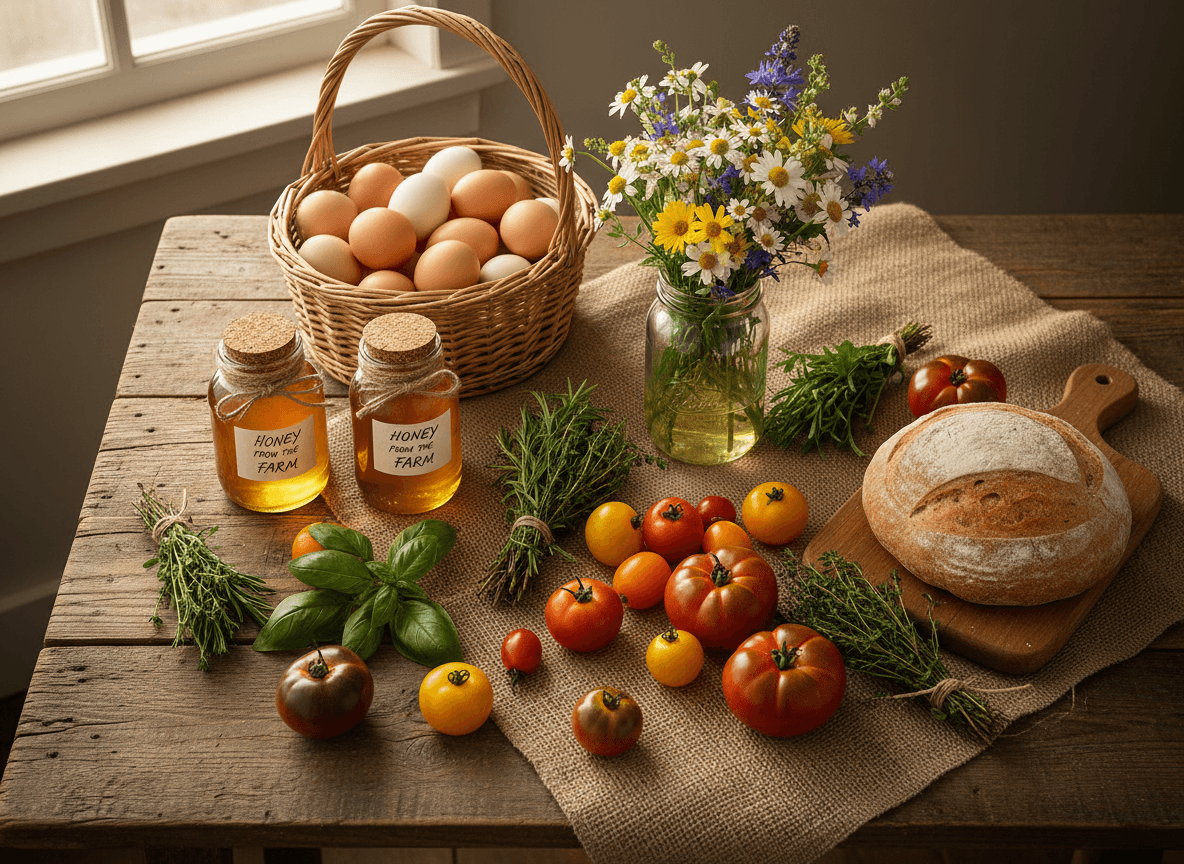
Saturday, noon: a family leaves the stand with a bag heavier than they planned, because the tomatoes smelled right and the kids lobbied hard for berries. Thursday, the guilt: a slimy bag of greens in the crisper and the herbs gone dark. We've watched that cycle play out more times than we can count, and the fix isn't buying less. The fix is knowing how to store fresh vegetables in the first hour after you get home.
Here's how we do it in our own kitchen, where the haul is bigger and the guilt is professional. This is the storage half of a larger habit; eating with the seasons is the why.
Why farm-stand produce stores differently
Stand produce was picked within a day or two, sometimes that morning. Supermarket produce has often spent a week or more in the cold chain before you ever see it. So farm-stand vegetables hand you days of extra life, but some of them arrive carrying field heat, the warmth of the row they grew in, and greens especially need that heat out fast or they'll spend their bonus days wilting. The clock starts at harvest, not at purchase. Whether the bag is produce picked this week from our shelf or from a stand near you, you're managing a head start, not staging a rescue.
The first hour home
Don't set the bag down and have lunch. Ten minutes of triage on the counter does more for your week than everything else in this post combined.
Greens first: out of the bag, a cold dunk in the sink if they came in warm, dried hard, then wrapped loosely in a towel and into the fridge. Nothing stays in a tied plastic bag, because trapped moisture is how slime starts. Tomatoes go on the counter, never the fridge. Herbs get treated like cut flowers, stems in a jar of water, or wrapped damp for the soft ones. Everything else can wait an hour. Those four moves buy the most days. The May asparagus rush taught us the habit: a just-cut spear loses sweetness by the hour until it's cooled, and we'd rather lose ten minutes of lunch than a week of asparagus.
Counter, pantry, or fridge: the one sorting rule
When you don't know where something goes, use this: if a crop would sulk through a cold snap out in the field, it sulks in your fridge. Tomatoes, ripening stone fruit, anything that grew in hot weather and resents cold weather, all live on the counter. Potatoes, onions, garlic, winter squash, the storage crowd, want a dark pantry, and not all in one bin — onions next to potatoes hurry each other along. Greens, roots, berries, and the cabbage family come from cool-weather growing and love the fridge. Eggs play by their own rules; farm eggs are a different story we tell separately.
Don't wash it yet
It feels virtuous to wash everything the minute you're home. Don't. Water added today is the rot of Wednesday; damp produce molds faster than dirty produce ever will, and a little soil on roots is mildly protective besides. Wash right before eating. The one exception is greens that came in with field heat: those get washed, dried hard (the salad spinner earns its shelf space), and wrapped. The drying is the point. Wash without drying and you've pre-soaked your compost.
Ethylene: which crops can't be neighbors
Some crops give off ethylene gas as they ripen: apples, ripe tomatoes, stone fruit, and bananas (not ours, but they're in your kitchen). Ethylene tells nearby produce to hurry up and finish, which is why greens yellow and carrots turn bitter next to the fruit bowl. The practical version: keep the fruit bowl across the kitchen from the greens drawer, and don't store apples in the crisper with the lettuce. You can also point the gas at a job. A hard peach in a paper bag with an apple is a ripe peach in a day or two.
Crop-by-crop quick reference
Where things go in our kitchen, one note each. We grow 50-plus heirloom varieties, so this list has been argued over at our own counter.
- Leafy greens: washed and dried hard if they came in warm, wrapped loose in a towel, fridge. Eat the tender ones first; the sturdy ones can wait their turn.
- Tomatoes: counter, stem side down, out of direct sun. The fridge ruins the texture and most of the flavor of a ripe one.
- Root vegetables: tops off the minute you're home (the greens keep pulling moisture out of the root), dirt on, fridge. We cellar ours with the dirt still on and they hold for months.
- Summer squash and cucumbers: fridge, loose, eaten within the week. They were picked tender and they won't improve.
- Winter squash: a cool, dark shelf, not the fridge. Cured properly, it keeps deep into winter.
- Berries: unwashed until the moment you eat them, and eat them first. No storage trick beats not waiting.
- Herbs: soft ones (basil, cilantro, parsley) in a jar of water like flowers, basil on the counter; woody ones (rosemary, thyme) wrapped damp in the fridge.
The crisper drawer, finally explained
Those sliders on the drawers are humidity vents, not decoration. Closed vents trap moisture: high humidity, for leafy things that wilt. Open vents let moisture escape: low humidity, for things that rot, mostly fruit. Our shorthand is that wilters get closed vents and rotters get open ones. If your fridge has two drawers, that's the split. Most fridges ship with both vents half-open, which is the worst of both settings.
Past fresh? Don't toss it
A vegetable past crisp isn't past useful. Soft tomatoes are sauce. Wrinkled peppers and tired roots roast or turn into soup without anyone asking questions. Limp greens revive in a bowl of ice water for half an hour, and if they don't, they cook down fine. Triage first, then plan the next haul around what's coming out of the fields each month; buy the right amount of the right week's crop and this whole post gets easier. Nothing we grow is meant to die in a drawer.